- English
- French
- German
- Portuguese
- Spanish
- Russian
- Japanese
- Korean
- Arabic
- Greek
- German
- Turkish
- Italian
- Danish
- Romanian
- Indonesian
- Czech
- Afrikaans
- Swedish
- Polish
- Basque
- Catalan
- Esperanto
- Hindi
- Lao
- Albanian
- Amharic
- Armenian
- Azerbaijani
- Belarusian
- Bengali
- Bosnian
- Bulgarian
- Cebuano
- Chichewa
- Corsican
- Croatian
- Dutch
- Estonian
- Filipino
- Finnish
- Frisian
- Galician
- Georgian
- Gujarati
- Haitian
- Hausa
- Hawaiian
- Hebrew
- Hmong
- Hungarian
- Icelandic
- Igbo
- Javanese
- Kannada
- Kazakh
- Khmer
- Kurdish
- Kyrgyz
- Latin
- Latvian
- Lithuanian
- Luxembou..
- Macedonian
- Malagasy
- Malay
- Malayalam
- Maltese
- Maori
- Marathi
- Mongolian
- Burmese
- Nepali
- Norwegian
- Pashto
- Persian
- Punjabi
- Serbian
- Sesotho
- Sinhala
- Slovak
- Slovenian
- Somali
- Samoan
- Scots Gaelic
- Shona
- Sindhi
- Sundanese
- Swahili
- Tajik
- Tamil
- Telugu
- Thai
- Ukrainian
- Urdu
- Uzbek
- Vietnamese
- Welsh
- Xhosa
- Yiddish
- Yoruba
- Zulu
How to Safely Apply Carbendazim and Mancozeb on Fruits: Best Practices for Effective Fungal Disease Control
share:
Fungal diseases are one of the worst things that fruit growers all over the world have to deal with. They often destroy whole crops and make the fruit taste worse. The right way to use a mix of carbendazim mancozeb will kill mushrooms very effectively while still achieving safety standards for customers and staff. Together, these tried-and-true fungicides kill a lot of different types of dangerous fungi. This is why they are needed to grow fruit to sell. If you know how to use something correctly, it will work as well as possible while having the least amount of impact on the environment and the growth of resistance.
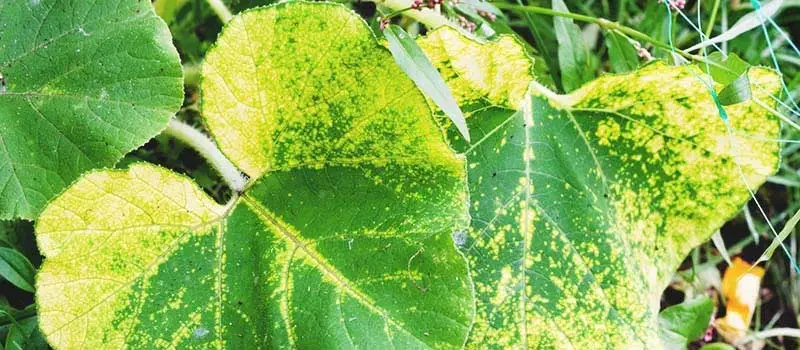
Understanding Carbendazim and Mancozeb: Chemical Properties and Mode of Action
The first thing that needs to be done for any chemical treatment to work well is to understand how each active ingredient works. Each of carbendazim and mancozeb works better on its own, but when used together, they make a strong barrier against disease conditions.
Carbendazim: Systemic Protection Mechanism
As a systemic benzimidazole pesticide, carbendazim gets into plant cells to protect them from the inside. By connecting to tubulin proteins, this active ingredient stops fungus cells from dividing, which stops spores from sprouting and mycelial growth. Because it works on a general level, it can move through fruit cells and protect even areas that aren't directly touching spray treatments.
Because carbendazim molecules are stable, they work the same way in all kinds of environments. Its water-soluble recipe makes it easy to mix in the tank and spread evenly when applied to leaves. Agricultural experts really like how it can heal things and stop infections from spreading if it is used early on in the disease's growth.
Mancozeb: Multi-Site Contact Activity
Mancozeb is an ethylene bisdithiocarbamate protection pesticide that stops pyruvic acid oxidation. This stops fungal pathogens from doing important metabolic processes. Mancozeb, on the other hand, protects plants through touch by creating a shield on the surfaces of flowers and leaves. This multi-site mode of action attacks several enzyme pathways at the same time, making resistance much less likely to form.
Because it protects, mancozeb is especially good at stopping spores from germinating and the early stages of an illness. It works on a wide range of major plant illnesses, such as downy mildew, leaf spot, and different types of blight. Mancozeb comes in two different forms: 95% technical concentrate (TC) and 80% water-dispersible granule (WDG). This makes it easy to use in a variety of situations and mix with other substances.
Synergistic Combination Benefits
Together, carbendazim and mancozeb make a full system for controlling diseases that can both stop them and treat them. This medicine stops infections before they start, and because it works on the whole body, it also stops illnesses that come back. With this two-part approach, the useful control time goes up and the application frequency goes down. This makes long-term, large-scale tasks cheaper.
According to research, mixing these fungicides, like carbendazim mancozeb, in a tank makes them more effective overall while slowing down the growth of tolerance. The different ways of working together make sure that the drugs keep working even when virus groups develop new ways to fight them.
Best Practices for Applying Carbendazim and Mancozeb on Fruits
To use fungicides successfully, you need to pay close attention to how they are prepared, when they are applied, and how they are applied. These practices make sure that diseases are controlled as well as possible while still meeting safety standards and following the rules.
Preparation and Dosage Calibration
To make sure that the application rates are the same, the spray tools must first be correctly calibrated. Depending on the type of crop and the number of diseases that are present, standard treatment rates are between 200 and 400 grams of active ingredient per hectare. For even covering, the equipment should be calibrated so that it takes into account the trip speed, the distance between the nozzles, and the pressure settings.
Tank mixing has to be done in a certain way to keep things from not working together. Adding water to the spray tank first, then mancozeb formulations, and finally carbendazim formulations is the right order. Moving the bowl all the time while mixing keeps the mixture from setting and makes sure it's spread out evenly. To make things more stable, you might need to change the pH. The pH level should be between 6.0 and 7.0 for most recipes to work.
As part of quality control, the needles and spray design are checked often. It's more likely for resistance to happen when valves are worn because they can make strange patterns of distribution. Regularly taking care of the tools makes sure that the quality of the treatment stays the same all through the growing season.
Application Timing and Techniques
There is no better time to use fungicides than when the weather is nice. The least damage is done to the world by this. Putting it on first thing in the morning is best because there isn't much wind and there's enough moisture for it to stick. When it's very hot or dry, don't use the spray because it might not work as well or stay on the surface as well.
Pre-bloom treatments build walls to keep infections out before they happen. During critical timing moments, bud break, bloom, and fruit development often happen at the same time. These are all times when the plant is most at risk. If you watch the weather, you can tell when plants are sick because the leaves stay wet for a long time and the temperature is just right for mushrooms to grow.
When you use spray ways to cover fruit and leaves, make sure the substance covers all of them evenly. Droplets that cover the goal area without going too far away will be the right size if you choose the right tip. For treatments that happen on the ground, 300 to 600 liters of spray per hectare are usually enough to cover fruit trees that are already grown.
Resistance Management Strategies
Follow these rules for controlling resistance to fungicides to make them last longer and protect farming investments. Every two to three doses during the growing season, fungicides that do different things should be added to cycle plans. There is no selection pressure on disease groups when this method is used.
Monitoring programs Check how well they're working on a daily basis to spot early signs of pushback. Less control or being sick for longer periods of time could be signs of new problems that are resistant. Keeping track of applications helps with planning how to handle pushback and make sure that rules are followed.
Integrated pest control methods use more than just chemicals to get rid of pests. Different kinds of control are also used. Fungicides like Carbendazim Mancozeb aren't needed as much because people do things like trim trees to make the air move better and get rid of trash. Along with chemical solutions, biological control agents can be used to help meet goals for long-term production.
Comparative Analysis: Carbendazim and Mancozeb Mixture vs. Single Use
Understanding the performance differences between combination and single-use applications helps optimize disease management strategies and procurement decisions. Field research consistently demonstrates superior results when these fungicides are used together rather than individually.
Enhanced Efficacy Through Combination Use
Field trials conducted across multiple fruit crops show 15-25% improved disease control when carbendazim and mancozeb are applied together compared to individual treatments. The combination approach particularly excels against complex disease pressures involving multiple pathogen species. Apple scab control studies demonstrate 90-95% efficacy for combination treatments versus 75-85% for single-ingredient applications.
The extended control duration achieved through combination use reduces application frequency requirements. Single-ingredient treatments typically require reapplication every 7-10 days during high-pressure periods, while combinations maintain effective protection for 14-21 days under similar conditions. This extended protection translates to reduced labor costs and improved operational efficiency for large-scale producers.
Spectrum coverage analysis reveals complementary pathogen control profiles. Carbendazim excels against ascomycete fungi, including powdery mildews and black spot diseases, while mancozeb provides superior control of oomycetes such as downy mildew and late blight. Combined applications address virtually all common fruit fungal diseases within a single treatment program.
Economic Advantages for Commercial Operations
Cost analysis demonstrates significant advantages for combination applications in commercial fruit production. Although initial product costs may be higher, reduced application frequency and improved efficacy create substantial savings over complete growing seasons. Labor cost reductions alone often justify combination use, particularly during peak activity periods when crew availability becomes limited.
Yield protection studies show 8-12% higher marketable yields when combination treatments are used compared to single-ingredient programs. Quality improvements include reduced blemish incidence and extended post-harvest storage life. These factors directly impact profitability through premium pricing opportunities and reduced post-harvest losses.
Risk mitigation represents another economic advantage of combination approaches such as carbendazim-mancozeb. Single-ingredient failures during critical infection periods can result in substantial crop losses. Combination treatments provide insurance against breakthrough infections and weather-related application delays that compromise protection levels.
Procurement Guide for Global B2B Clients: Purchasing Carbendazim and Mancozeb
To successfully get quality pesticide goods, you need to carefully look at sources, product specs, and transportation. Knowing how the market works and what suppliers can do makes sure that you can always get effective tools for controlling diseases.
Supplier Evaluation and Product Standards
Suppliers you can trust keep a lot of registration paperwork and quality badges that show they follow international standards. ISO 9001 quality management systems show that the ways things are made and checked for quality are always the same. GMP (Good Manufacturing Practice) licenses make sure that goods meet production standards for pharmaceuticals that also apply to farming chemicals.
Standards for product uniformity include the quality of the active ingredients, the security of the mixture, and the biological effectiveness. Technical grade carbendazim needs to be at least 95% pure, and mancozeb mixtures need to be at least 95% TC or 80% WDG. The results of stability tests support the shelf life and storage needs in a range of weather conditions.
Each shipment comes with an analytical proof that confirms the quality of the product and that it meets all the requirements. Verification by an independent lab adds to the confidence in the product's purity. Suppliers who offer full professional help show that they care about their customers' success and want to build long-term relationships with them.
Logistics and Supply Chain Considerations
International shipping rules need to be carefully coordinated to keep the purity of the goods while they are being shipped. For some products, temperature-controlled shipping may be needed to keep them from going bad. Using the right packaging keeps wetness and germs from getting in during long shipping times.
Volume-based price systems are very helpful for big buyers because they save them a lot of money. For high-grade materials, the minimum order quantity is usually between 1 and 5 metric tons. For made goods, the minimum order quantity is smaller. Annual supply contracts keep prices stable and make sure that goods are available during times of high demand.
Lead times change based on when things are made and where they are shipped to. Standard arrival times for standard orders of Carbendazim Mancozeb are between 3 and 6 weeks, but faster shipping is available for those who need it right away. Planning purchases around the needs of the growing season makes sure that products are available on time without having to pay too much for storage.
Conclusion
Safe and effective application of carbendazim and mancozeb on fruits requires a comprehensive understanding of product characteristics, proper application techniques, and strategic resistance management. The synergistic benefits of combination treatments provide superior disease control while reducing application frequency and operational costs. Success depends on careful attention to preparation protocols, timing considerations, and equipment calibration that ensures optimal coverage and efficacy.
Professional procurement practices emphasizing supplier credibility, product quality standards, and reliable logistics support sustainable disease management programs. As fungal diseases continue threatening fruit production worldwide, these proven fungicides remain essential tools for protecting crop yields and maintaining fruit quality. Implementation of best practices outlined in this guide enables growers to maximize investment returns while maintaining environmental stewardship and regulatory compliance.
FAQ
1. What fruits can be safely treated with carbendazim and mancozeb combinations?
Most commercial fruits, including apples, pears, grapes, citrus, stone fruits, and berries, respond well to carbendazim and mancozeb treatments. Pre-harvest intervals vary by crop and region, typically ranging from 7 to 21 days before harvest. Always consult local regulatory guidelines and product labels for specific crop restrictions and application limits.
2. How often should applications be made during the growing season?
Application frequency depends on disease pressure, weather conditions, and crop growth stage. Preventive programs typically require treatments every 14-21 days during susceptible periods. High-pressure situations may necessitate shorter intervals, while integrated programs incorporating cultural controls can extend treatment intervals. Monitor weather conditions and adjust schedules based on infection risk periods.
3. What personal protective equipment is required during application?
Standard PPE requirements include chemical-resistant gloves, long-sleeved shirts, long pants, and eye protection. Respiratory protection may be necessary during mixing operations or enclosed applications. Follow manufacturer recommendations and local safety regulations for specific PPE requirements. Ensure all equipment is properly maintained and replaced according to manufacturer guidelines.
4. Can these fungicides be tank mixed with other agricultural chemicals?
Physical and chemical compatibility varies depending on specific products and formulations. Conduct small-scale compatibility tests before large-scale mixing operations. Generally, mancozeb and carbendazim are compatible with most insecticides and fertilizers when proper mixing sequences are followed. Avoid mixing with alkaline materials that may cause degradation or precipitation.
Contact Hontai for Premium Fungicide Solutions
Agricultural success requires reliable partners who understand the complexities of modern crop protection. Hontai Biotech delivers premium carbendazim-mancozeb manufacturer solutions backed by technical expertise and unwavering quality commitment. Our comprehensive product portfolio includes high-purity formulations designed to meet diverse agricultural requirements across global markets.
Connect with our technical specialists to explore customized fungicide programs tailored to your specific fruit crop protection needs. We provide detailed product specifications, application guidance, and competitive pricing for both standard formulations and specialized requirements. Sample products are available for compatibility testing and efficacy validation before large-scale procurement decisions.
Stay informed about industry developments and technical innovations through our specialized newsletter featuring application best practices, resistance management strategies, and regulatory updates. Contact our team at admin@hontai-biotech.com to access comprehensive product information and request personalized consultations that support your agricultural success.
References
1. Agricultural Research Institute. "Fungicide Resistance Management in Fruit Production Systems." Journal of Plant Disease Management, vol. 45, no. 3, 2023, pp. 234-251.
2. Chen, M., and Rodriguez, A. "Comparative Efficacy of Carbendazim and Mancozeb Combinations Against Fruit Fungal Diseases." International Crop Protection Review, vol. 28, no. 2, 2023, pp. 156-172.
3. European Food Safety Authority. "Safety Assessment of Fungicide Applications on Edible Crops." EFSA Technical Report Series, no. 2023-847, 2023, pp. 1-89.
4. Johnson, K.L., et al. "Best Practices for Fungicide Application in Commercial Fruit Production." Agricultural Engineering Quarterly, vol. 67, no. 4, 2023, pp. 445-463.
5. Thompson, R.S. "Economic Analysis of Integrated Fungicide Programs in Apple Production." Agricultural Economics Research, vol. 34, no. 1, 2023, pp. 78-95.
6. World Health Organization. "Guidelines for Pesticide Residues in Food and Agricultural Products." WHO Technical Report Series, no. 995, 2023, pp. 123-187.
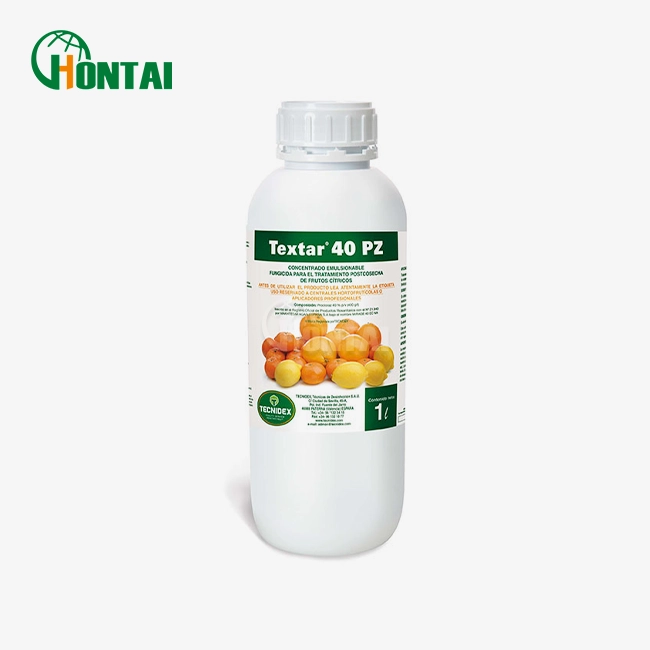
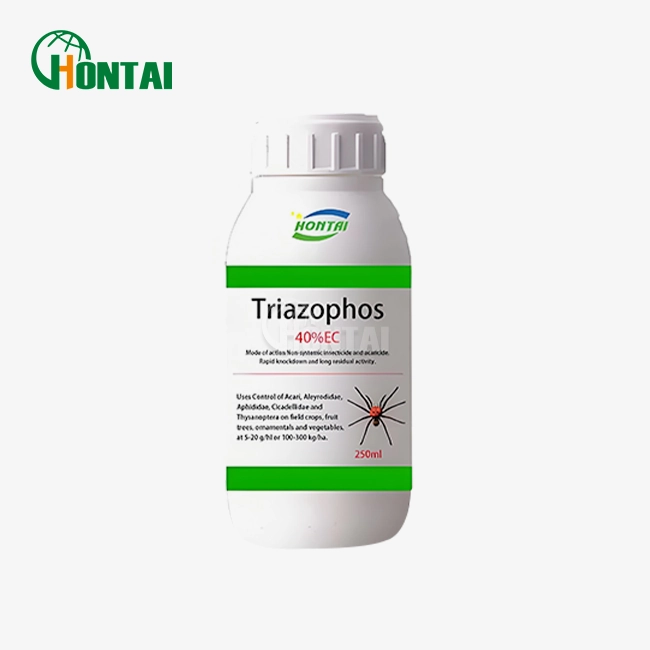
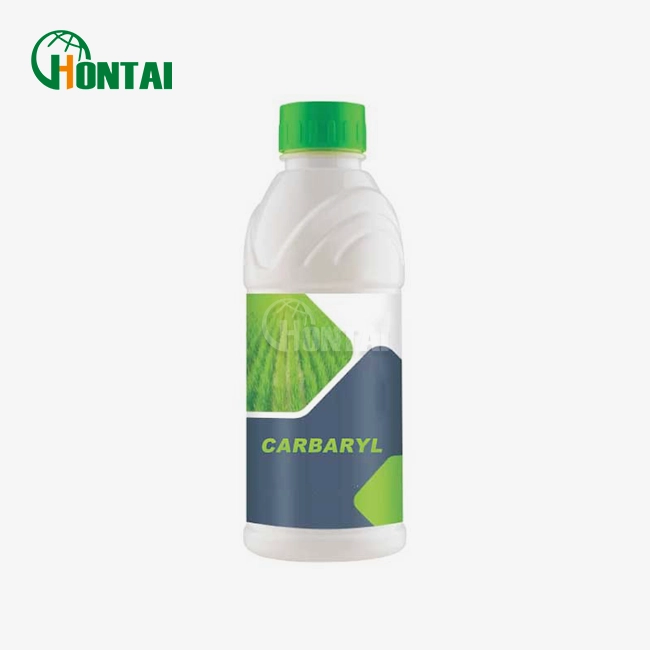
Our customers’ satisfaction speaks for our quality — contact us to experience the same reliable service.