- English
- French
- German
- Portuguese
- Spanish
- Russian
- Japanese
- Korean
- Arabic
- Greek
- German
- Turkish
- Italian
- Danish
- Romanian
- Indonesian
- Czech
- Afrikaans
- Swedish
- Polish
- Basque
- Catalan
- Esperanto
- Hindi
- Lao
- Albanian
- Amharic
- Armenian
- Azerbaijani
- Belarusian
- Bengali
- Bosnian
- Bulgarian
- Cebuano
- Chichewa
- Corsican
- Croatian
- Dutch
- Estonian
- Filipino
- Finnish
- Frisian
- Galician
- Georgian
- Gujarati
- Haitian
- Hausa
- Hawaiian
- Hebrew
- Hmong
- Hungarian
- Icelandic
- Igbo
- Javanese
- Kannada
- Kazakh
- Khmer
- Kurdish
- Kyrgyz
- Latin
- Latvian
- Lithuanian
- Luxembou..
- Macedonian
- Malagasy
- Malay
- Malayalam
- Maltese
- Maori
- Marathi
- Mongolian
- Burmese
- Nepali
- Norwegian
- Pashto
- Persian
- Punjabi
- Serbian
- Sesotho
- Sinhala
- Slovak
- Slovenian
- Somali
- Samoan
- Scots Gaelic
- Shona
- Sindhi
- Sundanese
- Swahili
- Tajik
- Tamil
- Telugu
- Thai
- Ukrainian
- Urdu
- Uzbek
- Vietnamese
- Welsh
- Xhosa
- Yiddish
- Yoruba
- Zulu
How does Deltamethrin kill insects?
share:
Deltamethrin kills insects by targeting their nervous systems through a sophisticated mechanism that disrupts sodium ion channels in nerve membranes. This synthetic pyrethroid insecticide prevents the normal closure of voltage-gated sodium channels, causing continuous nerve impulses that lead to hyperexcitation, paralysis, and ultimately death. The process begins within minutes of contact, making Deltamethrin one of the most effective neurotoxic agents available for pest control across agricultural, public health, and commercial applications.
Understanding Deltamethrin and Its Mode of Action
Deltamethrin is a big step forward in the way pyrethroids are made. Instead of natural pyrethrins from chrysanthemum flowers, this one is more stable and works better. With the formula C₂₂H₁₉Br₂NO₃, this is a Type II pyrethroid poison. It is in the alpha-cyano group, which makes it much more dangerous to bugs' nerves.
Chemical Classification and Structure
Deltamethrin is not the same as other pyrethroid molecules because it has a special alpha-cyano group in its structure. It works better with sodium channels now that the structure has been changed, and it still has great photostability. The material has only one stereoisomer, which means that it always has the same biological effect on living things and on bugs. The molecular compound's formal name, (S)-α-cyano-3-phenoxybenzyl (1R,3R)-3-(2,2-dibromovinyl)-2,2-dimethylcyclopropanecarboxylate, tells you a lot about its structure. Its job is to kill insects as efficiently as possible.
Mechanism of Neurotoxic Action
Deltamethrin mostly works in the voltage-gated sodium channels of nerve membranes in insects. The active ingredient connects to these pathways when you touch or eat it. It then stops them from turning off as they normally would. Nerve membranes depolarize for a long time because of this problem. This makes nerves release over and over again, and muscles contract and rest. When bugs are hit, they fall down right away, lose their balance, and become unable to move.
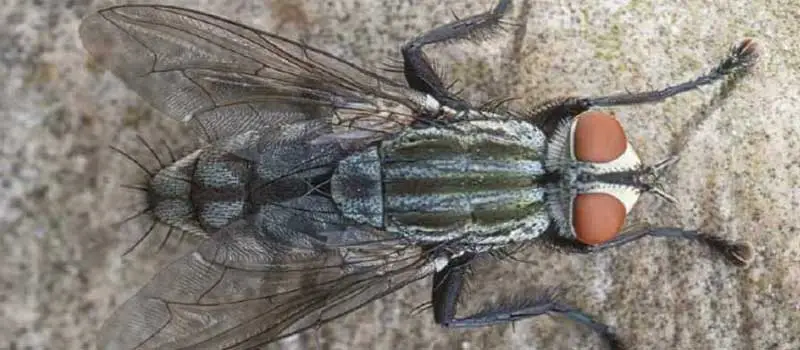
More research shows that this method works really well against many kinds of arthropod bugs, like cockroaches, mosquitoes, flies, beetles, and many kinds of farmed insects. Neurotoxic effects happen quickly; you can notice them 15 to 30 minutes after being exposed. Plus, it keeps pests away for a long time, so it's great for getting rid of them right away.
Spectrum of Target Pests
Commercial applications of Deltamethrin span multiple pest categories, reflecting its versatility as a control agent. Flying insects such as mosquitoes, flies, and moths die quickly when they touch something or are gassed. Bugs that crawl, like cockroaches, ants, and beetles, can't move once they touch treated surfaces. Aphids, thrips, different types of bugs, and lepidopteran eggs are some of the harmful insects that are used in agriculture.
This stuff can help keep stores and grain storage areas safe because it gets rid of pests that are eating stored goods. If conditions are right, its activity on surfaces that don't absorb water can last for months, protecting them from getting infected again for a long time.
Safety, Environmental Impact, and Resistance Concerns
Before you use Deltamethrin, you should learn a lot about how dangerous it is and how it changes the world. You should still be careful with them to avoid killing people or animals that aren't supposed to be killed, even though most people think they are better than organophosphate or carbamate pesticides.
Human Health and Safety Considerations
Because their sodium channels aren't as sensitive and their metabolism isn't as strong, deltamethrin isn't particularly dangerous to animals in the short term. Because they don't have enzymes, insects can't quickly break down pyrethroid chemicals, but people and dogs can. But touching your skin directly may make you feel tingly, hot, or stiff for a short time, especially on your face.
As part of safety rules for the job, the right protection gear must be worn during application, spray drops must not be breathed in, and places that have been treated must have enough air flow. The substance is less volatile than some other pesticides, which makes it safer to take in. However, it is still important to use it properly and avoid touching it as much as possible.
Environmental Persistence and Breakdown
Researchers who look into what chemicals do in nature have found that Deltamethrin breaks down when it comes into contact with ultraviolet light. Things being what they are, the process could last a few days to a few weeks. Through microbial degradation, the drug is broken down into metabolites that are less dangerous in the dirt. The chemical is very bad for fish and other animals that live in water, so it should not be used in water.
The chemical sticks strongly to biological matter and small pieces of earth. This makes it less mobile and less likely to damage groundwater. This feature also makes it helpful as a residue treatment that stops the surroundings from moving. When you use the right amount at the right time, you can keep pest control working and lessen the effects that aren't supposed to be there.
Resistance Development and Management
Pests all over the world are no longer hurt by pyrethroid poisons because they have been used for a long time. Drugs can often become immune by making target sites less sensitive, better metabolic detoxification, or changing how people act to avoid getting the drugs. To keep goods running, we need strategic ways to deal with pushback because of these issues.
As part of combined resistance management strategies, different poisons with different modes of action are used, the right dose rates are used, and non-chemical control methods are used. Monitoring tools help find early signs of resistance so that control methods can be changed before they become too strong.
Comparing Deltamethrin with Other Insecticides
Today, people who work in pest control can use a number of different poisons, and each has its own pros and cons. When you compare Deltamethrin to other active ingredients, you can pick the best product for your needs and better handle resistance.
Performance Against Permethrin and Lambda-Cyhalothrin
If you want to get the same amount of control with less Deltamethrin, permethrin, or another pyrethroid, you need to use less of it. The cellular action of its single isomer is the same, but the isomer mixture in permethrin may work in different ways. The efficiency of lambda-cyhalothrin is about the same, but it is less stable and doesn't stay in the environment as long.
When photostability is compared, Deltamethrin stays active longer than Permethrin when UV light hits it. It's better to use the outside now. Being able to move less easily makes it less likely that it will miss its target, but it still kills moving bugs.
Cost-Effectiveness Analysis
Economic considerations play a crucial role in large-scale pest management decisions. Deltamethrin 2.5% EC pest control's high intrinsic activity allows for lower application rates, potentially reducing material costs per treatment. Its extended residual activity can decrease treatment frequency requirements, contributing to overall cost savings in commercial applications.
Companies that farm a lot or do pest control often make more money with long-term supply contracts and bulk buying deals. With different ways to prepare your products, like emulsifiable concentrates and liquid concentrates, you can find the best mix between cost and efficiency.
Environmental Profile Comparisons
Compared to organophosphate and carbamate insecticides, Deltamethrin presents a more favorable environmental profile regarding mammalian toxicity and persistence. It breaks down quickly in water and earth, so it won't pollute for a long time. But it should not be used near water without being very careful because it is very bad for marine life.
When and how the chemical is used affects how well it kills both bad bugs and good bugs. Integrated pest control programs can help people figure out how to use Deltamethrin in the most effective way that doesn't harm natural enemies too much while still getting rid of bugs.
Procurement Insights for Deltamethrin Buyers
If you want to buy Deltamethrin for work, you need to know how the market works, what your sellers can do, and how the product should be graded. A good way to find good sources at fair prices is to combine academic know-how with common sense.
Supplier Evaluation and Certification
Companies that sell good Deltamethrin keep a full set of certificates, such as ISO standards, Good Manufacturing Practices, and government licenses. The process of making something should include making sure that the quality levels stay the same (usually 98% for technical-grade material) and that the right amounts are used for finished goods. The amount of active ingredients, chemical profiles, and physical qualities is all confirmed by analytical test papers.
Companies that need to get rid of pests need to make sure their supply line is reliable. Shipping times from well-known companies are reliable, and they offer a variety of packaging options and expert help. For people who use it a lot, having backup supplies and help in keeping track of their stock is helpful.
Global Market Dynamics and Pricing
There are Deltamethrin markets around the world that show how much the raw materials cost, how much can be made, and how the rules are followed in different places. Asian manufacturers, especially those from China, can make a lot of things at prices that are easy on the wallet. Online stores in Europe and North America often stress their strict quality controls and unique recipes.
Price levels that are based on volume give big buyers big price cuts in exchange. Annual supply deals can keep prices stable and make sure that people can get what they need when demand is high. When deciding when to join the market, you should think about things like how changes in currencies affect trade between countries and how demand changes over the course of a year.
Product Specifications and Formulations
Technical grade Deltamethrin (98% TC) is the building block for many designed goods, like liquid concentrates, concentrates that can be emulsified, and powders that can be mixed with water. The recipe for 2.5% EC can be used in many ways for farming and public health reasons. These services make sure that the code works with the right tools and that it meets the goals of the application.
For study, there are small containers, and for business, there are bulk drums and medium bulk containers. There are special packing materials that keep the item stable while it's being kept and shipped, and they also meet government marking rules.
Best Practices for Using Deltamethrin in B2B Applications
Deltamethrin 2.5 EC, Deltamethrin works best when used according to the directions and as part of a bigger plan to get rid of pests. If professionals know how to use their tools correctly and have the right ones, they can get more out of them.
Application Methods and Equipment
Deltamethrin is most frequently used in sprays, which can be applied using a variety of tools depending on the area and type of bug being targeted. For growing crops, hydraulic sprayers use the right amount of chemicals at the right time. Thermal fogging equipment creates tiny drops that keep flying insects away and keep areas from getting buggy.
How well the treatment works depends a lot on when you use it. Most of the time, you should do it early in the morning or late at night to avoid UV damage and get the most bugs. How drops behave and how layers form on surfaces are all affected by temperature, humidity, and wind.
Integration with Pest Management Programs
Deltamethrin is a good pesticide that is used as part of bigger combined strategies that use both chemical and non-chemical methods. These tools help you figure out how many pests are there and when it's best to treat them. Using a barrier to make choices makes sure that treatments only happen when they can be paid for.
Different types of rotation that use different types of pesticides help Deltamethrin keep working and stop resistance from building up. You don't have to use chemicals to get rid of bugs. You can also use biological control agents, cultural control tools, and physical barriers to help.
Monitoring and Evaluation Protocols
The evaluation after treatment shows that the control worked, which helps managers decide what to do next. There are many common ways to keep an eye on things, such as visual checks, trap catches, and harm checks. It's possible to see trends in success over time by keeping track of things like treatment times, application rates, and the state of the surroundings.
Resistance tracking helps find changes in how easily pests are killed, which could mean a new approach is needed. Lab tests and field tests that show how well a product works give managers the data they need to make choices and make goods better.
Conclusion
Deltamethrin is more stable than natural pyrethrin chemicals. It kills bugs by stopping sodium channels in nerve cells very accurately. Things go from numb to dead very quickly. It can be used to get rid of pests in businesses, on farms, and near places where diseases are spread. Procurement workers can make choices that work, save money, and are good for the world when they know how something works, if it's safe, and the right way to use it. Adoption must be part of bigger plans to get rid of pests that work well over time and follow the rules set by authorities for it to work.
FAQ
1. What makes Deltamethrin more effective than other pyrethroid insecticides?
Deltamethrin's single stereoisomer structure lets it work continuously in living things, and its alpha-cyano group makes it better at working with bug sodium channels. In this way, it works better than multi-isomer chemicals like permethrin, which means that less of it can be used for longer amounts of time.
2. How long does Deltamethrin remain active after application?
Residual activity depends on surface type, environmental conditions, and formulation. On non-porous indoor surfaces, effectiveness can persist 3-6 months. Outdoor applications typically maintain activity for 2-4 weeks due to UV degradation and weather exposure.
3. Can insects develop resistance to Deltamethrin?
Resistance development occurs through enhanced metabolism, reduced target site sensitivity, or behavioral avoidance. Implementing rotation strategies with different insecticide modes of action and maintaining appropriate application rates helps manage resistance development.
Partner with Hontai for Premium Deltamethrin Solutions
Hebei Hontai Biotech Co., Ltd. produces Deltamethrin products of the highest caliber and in accordance with world standards. They are used in farming and to get rid of pests. Your business will do well with our low prices, technology know-how, and reliable supply lines. Deltamethrin is something we've been making for a long time. We offer 98% TC and 2.5% EC versions, as well as different packing options and full training. Send an email to admin@hontai-biotech.com with your specific wants, and we'll look into custom choices.
References
1. Narahashi, T. (2010). Mode of action of pyrethroids on sodium channels in insect nerve membranes. Journal of Pesticide Science, 35(3), 218-225.
2. Davies, T.G.E., Field, L.M., & Williamson, M.S. (2012). The re-emergence of the bed bug as a nuisance pest: implications of resistance to the pyrethroid insecticides. Medical and Veterinary Entomology, 26(3), 241-254.
3. Soderlund, D.M. (2012). Molecular mechanisms of pyrethroid insecticide neurotoxicity: recent advances. Archives of Toxicology, 86(2), 165-181.
4. Zhai, B.P. & Robinson, W.H. (1996). Measuring cypermethrin resistance, inheritance and fitness in the German cockroach (Dictyoptera: Blattellidae). Journal of Economic Entomology, 89(6), 1546-1552.
5. Casida, J.E. & Durkin, K.A. (2013). Neuroactive insecticides: targets, selectivity, resistance, and secondary effects. Annual Review of Entomology, 58, 99-117.
6. Hemingway, J., Ranson, H., & Small, G.J. (2000). Insecticide resistance in insect vectors of human disease. Annual Review of Entomology, 45, 371-391.

Our customers’ satisfaction speaks for our quality — contact us to experience the same reliable service.