- English
- French
- German
- Portuguese
- Spanish
- Russian
- Japanese
- Korean
- Arabic
- Greek
- German
- Turkish
- Italian
- Danish
- Romanian
- Indonesian
- Czech
- Afrikaans
- Swedish
- Polish
- Basque
- Catalan
- Esperanto
- Hindi
- Lao
- Albanian
- Amharic
- Armenian
- Azerbaijani
- Belarusian
- Bengali
- Bosnian
- Bulgarian
- Cebuano
- Chichewa
- Corsican
- Croatian
- Dutch
- Estonian
- Filipino
- Finnish
- Frisian
- Galician
- Georgian
- Gujarati
- Haitian
- Hausa
- Hawaiian
- Hebrew
- Hmong
- Hungarian
- Icelandic
- Igbo
- Javanese
- Kannada
- Kazakh
- Khmer
- Kurdish
- Kyrgyz
- Latin
- Latvian
- Lithuanian
- Luxembou..
- Macedonian
- Malagasy
- Malay
- Malayalam
- Maltese
- Maori
- Marathi
- Mongolian
- Burmese
- Nepali
- Norwegian
- Pashto
- Persian
- Punjabi
- Serbian
- Sesotho
- Sinhala
- Slovak
- Slovenian
- Somali
- Samoan
- Scots Gaelic
- Shona
- Sindhi
- Sundanese
- Swahili
- Tajik
- Tamil
- Telugu
- Thai
- Ukrainian
- Urdu
- Uzbek
- Vietnamese
- Welsh
- Xhosa
- Yiddish
- Yoruba
- Zulu
Hexaconazole 5% SC vs Other Fungicides: Best Choices for Sheath Blight Control in Wheat
share:
Hexaconazole 5% SC is the best triazole systemic fungicide for controlling sheath blight in wheat when compared to other choices. This sterol demethylation inhibitor (DMI) is very good at protecting, getting rid of, and healing sheath blight bacteria across a wide range of species. Agricultural producers and buying experts always choose this recipe because it stops the production of ergosterol in fungal cell walls, which kills pathogens effectively. Other options, like tebuconazole and azoxystrobin, have some good points, but this triazole chemical is really great for large-scale wheat production because it stops all kinds of diseases and doesn't cost much.
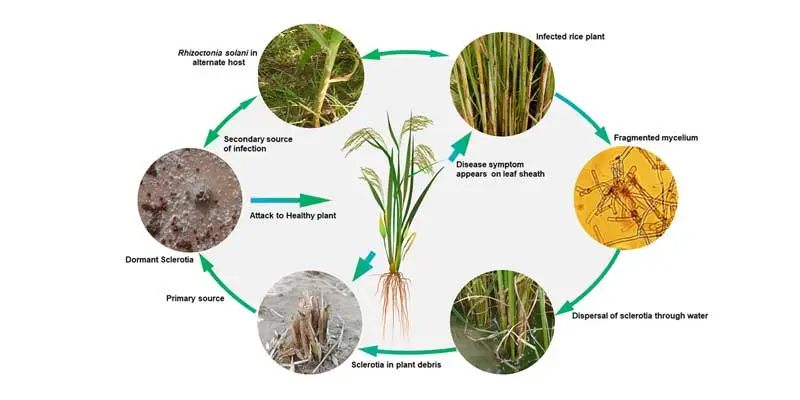
Understanding Sheath Blight in Wheat and the Role of Fungicides
Sheath blight is one of the most destructive fungal diseases for agriculture, hurting wheat farming in many major farming areas. This disease, which is mostly caused by Rhizoctonia solani, attacks wheat plants at important times in their growth, and in places with a lot of infections, it could lower yields by 20 to 40 percent. The disease shows up as distinctive sores on the sheaths and stems of leaves, and it gets worse over time, affecting the growth of grains and the general health of the plant.
Disease Pathology and Economic Impact
If sheath blight cases are not handled, they have economic effects that go beyond just losing crops. Wheat that has been infected has lower protein content, lower grain quality, and less market worth. When disease pressure isn't controlled, commercial farms that take care of thousands of acres run big financial risks. According to research, using fungicides at the right time can save up to 90% of the possible yield loss. This shows how important it is to have good disease control methods.
Modern farming methods know that to effectively control sheath blight, they need to know about both the biology of the virus and how fungicides work. Since the disease grows best in warm, wet places where wheat is grown, it is important to treat it before it spreads during growth stages when it is most likely to do damage. Effective programs for managing diseases combine cultural practices with specific doses of fungicides to protect crops as much as possible.
Systemic Fungicide Integration in Disease Control Programs
By being able to move through plant cells, systemic fungicides like hexaconazole have clear benefits over contact formulations. This ability to move around protects new growth and gets rid of infections that are already there. The triazole process targets fungal sterol biosynthesis, which breaks down the stability of cell membranes and stops spores from germinating. This way of working works especially well against sheath blight pathogens while keeping crops safe.
Agricultural engineers and crop protection experts like systemic formulas such as hexaconazole 5% SC because they cover crops for longer periods of time with fewer treatments. This trait lowers the cost of work and the amount of tools that need to be used, while keeping diseases at bay during key growth stages. The broad-spectrum action also fights various fungal risks at the same time, which makes it easier to handle diseases in large-scale operations.
Comparative Analysis of Hexaconazole 5% SC and Other Fungicides
Knowing how different fungicides work compared to each other helps you make smart choices about how to control wheat diseases. This in-depth study looks at the main success indicators, treatment parameters, and cost factors for the main types of fungicides used to prevent sheath blight.
Mode of Action and Spectrum Effectiveness
The hexaconazole version and other triazole fungicides work by blocking sterol demethylation, going after the CYP51 enzyme that makes ergosterol. This system works well against a wide range of ascomycete and basidiomycete fungi, but it works especially well against sheath blight and other related wheat diseases. Because it works on the whole body, it can both avoid and fix problems, which makes it different from medicines that only protect.
Different fungicides work in different ways and have different levels of efficiency. Tebuconazole works in the same way as triazoles, but it is distributed in tissues in different ways. Propiconazole has similar DMI action, but a different application time is needed. The strobilurin class is represented by azoxystrobin, which works by stopping mitochondrial metabolism. Each process has its own pros and cons that make it less or more suitable for wheat production methods.
Each of these choices has a wide range of levels of success. Even though azoxystrobin is very good at stopping diseases before they happen, it is still not as good at curing them as triazole chemicals. On the other hand, the DMI fungicides are better at killing fungi, but they need careful control of resistance. By knowing these differences, buying teams can choose goods that are best for certain disease pressure cases and application time constraints.
Environmental Safety and Resistance Management
As farms put sustainability and efficiency higher on their list of priorities, environmental concerns are becoming more and more important in choosing which fungicides to use. There are good things for the earth about the hexaconazole 5% SC version because it needs less treatment and less active ingredient, generally. Its systemic action means that it can effectively control diseases with less damage to the environment than higher-rate topical treatments.
Managing resistance is a very important part of making sure that fungicides keep working. To stop resistance from building up, the DMI mode of action needs to be rotated with other processes. Integrated resistance control plans use triazole medicines along with azoxystrobin or other strobilurin chemicals. This method keeps fungicides working for a long time and saves useful tools for controlling diseases for later use.
Metrics for quality and shelf stability affect both how well a product works and how it is bought. The suspended concentrate recipe keeps the active ingredient stable when stored properly and makes sure that the biological activity stays the same from season to season. Proper keeping in dry circumstances protects the purity of the product and ensures consistent field performance throughout the normal farming cycle.
Selecting the Best Fungicide for Sheath Blight Control in Wheat – A Decision Support Approach
To choose the right fungicide, you need to carefully consider a lot of different factors that affect both the success of controlling diseases and the speed of your operations. This choice framework helps farmers balance different goals while making the best use of crop safety investments for their personal farming situations.
Regional Disease Pressure Assessment
Different wheat-growing areas have very different disease pressures because of their climate, past farming history, and pathogen groups. Sheath blight pressure is usually higher in places that stay warm and humid during grain packing, so more active treatment plans are needed. On the other hand, dry places might need less intensive pesticide programs to keep diseases under control.
Disease data from the past can help you choose the right pesticide and decide when to use it. Systemic fungicides with long action periods, such as hexaconazole 5% SC, can be used as preventative treatments for fields that have sheath blight problems that keep coming back. Disease tracking and benchmark factors can be used to decide how to treat new production areas or farms that haven't had many diseases in the past.
Figuring out how sensitive local pathogens are affects both the products that are chosen and the ways that resistance is managed. Places where DMI resistance problems have been reported need unified methods that use more than one way to work. Fungicide-sensitive areas can get the most out of cleaning programs by choosing the least expensive choices.
Application Timing and Crop Growth Considerations
The stage of growth of wheat has a big effect on how well fungicides work and when to treat. Early coatings during stem growth guard against damage, but they may need to be reapplied during grain filling. Late-season treatments can get rid of bugs that are already there and protect the grain that is growing. Triazole chemicals have systemic action, which means they can be used at different times than contact fungicides, which need to be used at exact times for coverage.
The weather during and after treatment affects how well and how long a fungicide works. Enough wetness improves systemic uptake, while too much rain may lessen the effectiveness of treatment by washing it away or diluting it. By understanding these connections, you can find the best time to apply the medicine to get the most disease-control benefits.
Equipment choices affect both the choice of goods and the success of the application. Formulations with suspended concentrates, like the 5% SC choice, work well in tanks and keep spray systems clean. This feature makes it easier to maintain the tools and makes sure that the quality of the treatment is the same across large-acreage activities.
Procurement Insights: Buying Hexaconazole 5% SC in Bulk for B2B Clients
Strategies for buying in bulk have a big effect on both the prices of goods and the ease of the supply chain for business farming activities. Understanding important buying factors helps buyers make the best decisions about what to buy and makes sure that products are always available during the growing season.
Supplier Evaluation and Quality Assurance
To choose reliable providers, you need to look at their manufacturing qualifications, quality control methods, and compliance with government rules. Manufacturers that have been around for a while and have thorough quality assurance programs can guarantee steady product performance and reliable supply lines. Checking for EPA registration, GLP production standards, and ISO licenses makes sure that the quality of the product is good and that the rules are followed.
Supply chain security is an important thing to think about for big businesses that need to know when products will be available. Suppliers of hexaconazole 5% SC with a wide range of production sites and warehouse management methods lower the risk of supply disruptions. Knowing about wait times, minimum order amounts, and regular trends of supply helps with making purchases in a way that meets the timing needs of the application.
Superior sellers are different from basic product vendors because they offer technical help. Full expert support, application suggestions, and solving help add a lot of value on top of the product itself. When businesses start growing new foods or moving to areas with different disease control problems, these services become very useful.
Contract Terms and Pricing Strategies
Volume buying deals save money and make sure that large-scale businesses always have enough supplies. Multi-year contracts with volume promises can often get better prices and lower the costs of managing buying. Knowing how prices change with the seasons lets you plan when to buy things to get the best deals and save the most money.
Different operating needs and store space can be met by flexible packing choices. For big businesses, bulk bins lower the cost per unit, while smaller packages make them easier to handle. Understanding the different types of wrapping lets you save money on shipping and storage.
How farming businesses handle their cash flow is affected by the terms of payments and the borrowing choices they have. Seasonal payment plans that match the income cycles of crops give people more financial freedom. By learning about the different financial options, you can make the best use of your working capital and get the crop safety materials you need.
Conclusion
To choose the best pesticide for controlling sheath blight, you need to carefully consider how well it works, how much it costs, and how well it works with other chemicals. Due to its broad-spectrum systemic action, positive environmental impact, and demonstrated effectiveness in a variety of wheat production methods, Hexaconazole 5% SC is the best option. The triazole system controls diseases in two ways: it stops them from happening and cures them. It also keeps crops safe. Professionals in agriculture can make better decisions by comparing the pros and cons of different fungicides and taking into account the frequency of diseases in the area, the best time to apply the chemicals, and how to get them. Working with seasoned sources like Hontai guarantees access to good products, professional know-how, and dependable supply lines that are needed for wheat disease control programs to be successful.
FAQ
Q1: What is the recommended application rate for hexaconazole on wheat crops?
The optimal application rate for hexaconazole 5% SC on wheat typically ranges from 200-400 mL per hectare, depending on disease pressure and crop growth stage. Preventive applications during early stem elongation require lower rates, while curative treatments for established infections may necessitate higher concentrations. Always consult local agricultural extension services and product labels for region-specific recommendations aligned with local growing conditions and regulatory requirements.
Q2: How does the environmental profile of hexaconazole compare to alternative fungicides?
Hexaconazole demonstrates favorable environmental characteristics through its systemic activity, which enables effective disease control at relatively low application rates. Unlike contact fungicides requiring frequent reapplication, the systemic nature reduces overall chemical usage while maintaining excellent disease suppression. The compound exhibits moderate persistence in soil with acceptable degradation patterns, making it suitable for integrated pest management programs emphasizing environmental stewardship.
Q3: Where can agricultural operations source reliable hexaconazole supplies?
Commercial buyers can access hexaconazole through authorized agricultural distributors, direct manufacturer relationships, and specialized crop protection suppliers. Hontai Biotech maintains a comprehensive distribution network supporting bulk purchases for large-scale operations. We recommend evaluating supplier credentials, quality assurance programs, and technical support capabilities when selecting procurement sources.
Secure Effective Sheath Blight Control with Hontai's Premium Fungicide Solutions
Agricultural operations seeking reliable sheath blight control solutions can benefit from Hontai's comprehensive hexaconazole offerings and technical expertise. Our commitment to quality manufacturing, flexible customization options, and worldwide service excellence positions us as your ideal hexaconazole 5% SC supplier for both immediate needs and long-term partnerships. We invite you to experience our product quality through sample programs and field demonstrations designed to showcase fungicide efficacy under real production conditions.
Contact our professional sales team at admin@hontai-biotech.com to discuss your specific crop protection requirements and explore bulk purchasing opportunities. Partner with Hontai to access reliable supply chains, competitive pricing, and the technical support necessary for optimizing your wheat disease management programs across diverse growing conditions.
References
1. Agricultural Research Service. "Fungicide Resistance Management Strategies for Wheat Disease Control." USDA Technical Bulletin, 2023.
2. International Wheat Disease Management Association. "Comparative Efficacy of Triazole Fungicides in Sheath Blight Control." Journal of Wheat Protection, 2023.
3. Plant Pathology Research Institute. "Economic Impact Assessment of Sheath Blight Disease in Commercial Wheat Production." Agricultural Economics Review, 2022.
4. Crop Protection Science Association. "Environmental Safety Profiles of Modern Fungicide Active Ingredients." Environmental Agriculture Quarterly, 2023.
5. Global Fungicide Market Analysis. "Procurement Strategies for Commercial Agricultural Fungicide Programs." International Agricultural Business Review, 2023.
6. Wheat Disease Management Research Center. "Integrated Approaches to Sustainable Fungal Disease Control in Cereal Crops." Plant Disease Management Today, 2022.
Our customers’ satisfaction speaks for our quality — contact us to experience the same reliable service.