- English
- French
- German
- Portuguese
- Spanish
- Russian
- Japanese
- Korean
- Arabic
- Greek
- German
- Turkish
- Italian
- Danish
- Romanian
- Indonesian
- Czech
- Afrikaans
- Swedish
- Polish
- Basque
- Catalan
- Esperanto
- Hindi
- Lao
- Albanian
- Amharic
- Armenian
- Azerbaijani
- Belarusian
- Bengali
- Bosnian
- Bulgarian
- Cebuano
- Chichewa
- Corsican
- Croatian
- Dutch
- Estonian
- Filipino
- Finnish
- Frisian
- Galician
- Georgian
- Gujarati
- Haitian
- Hausa
- Hawaiian
- Hebrew
- Hmong
- Hungarian
- Icelandic
- Igbo
- Javanese
- Kannada
- Kazakh
- Khmer
- Kurdish
- Kyrgyz
- Latin
- Latvian
- Lithuanian
- Luxembou..
- Macedonian
- Malagasy
- Malay
- Malayalam
- Maltese
- Maori
- Marathi
- Mongolian
- Burmese
- Nepali
- Norwegian
- Pashto
- Persian
- Punjabi
- Serbian
- Sesotho
- Sinhala
- Slovak
- Slovenian
- Somali
- Samoan
- Scots Gaelic
- Shona
- Sindhi
- Sundanese
- Swahili
- Tajik
- Tamil
- Telugu
- Thai
- Ukrainian
- Urdu
- Uzbek
- Vietnamese
- Welsh
- Xhosa
- Yiddish
- Yoruba
- Zulu
Fipronil 80% Uses, Dosage, and Safety Guide for Agriculture
share:
Fipronil 80% is a new kind of poison that works really well to get rid of pests in a wide range of farming situations. This powerful active ingredient goes after stubborn pests like soil-dwelling insects, plant eaters, and systemic risks that lower crop yields. This strong phenylpyrazole chemical is used by farmers because it works on a wide range of pests and has long-lasting effects. It is an important part of current integrated pest control methods for large farms.
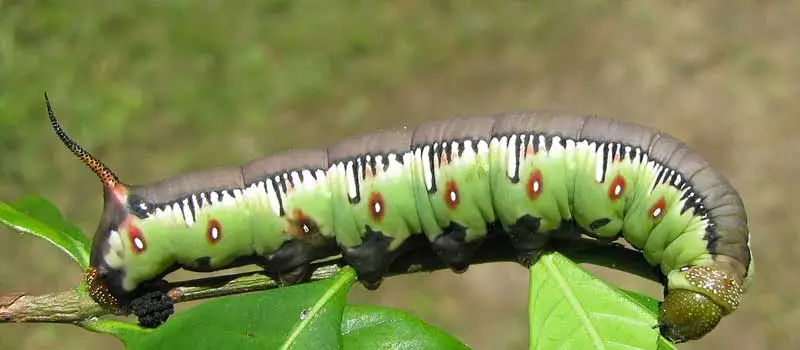
Understanding Fipronil 80% and Its Agricultural Applications
There is a special way that fipronil works that only affects gamma-aminobutyric acid (GABA) receptors in the nervous systems of insects. This system makes sure that pests are killed quickly while still being selective for target species. The higher concentration (80%) makes the product more effective than smaller concentrations, which means that larger farming companies can use less of it and save money at the same time.
Chemical Properties and Mode of Action
The active ingredient messes up chloride ion channels in the brain paths of pests, which leads to overexcitation, paralysis, and death. Pest populations that are resistant to standard organophosphates and carbamates are especially well controlled with this methodical technique. Fipronil is still effective against insects that are cross-resistant to other herbicide groups, according to research.
Crop Applications and Target Pests
Commercial uses include a wide range of crops, such as cereal grains, root veggies, and high-value specialty products. Corn farmers treat the seeds to get rid of wireworms and corn rootworm larvae. Vegetable farmers use foliar sprays to get rid of aphids, thrips, and lepidopteran larvae. Soil treatments that reduce bollworm complexes and whitefly numbers during key growth stages are good for growing cotton.
Application Methods and Timing
Depending on the type of crop and the number of pests that are present, seed treatment methods involve treating seeds with weak formulations of Fipronil 80% at rates of 0.5 to 2.0 mg active ingredient per seed. To incorporate the product into the soil, it needs to be mixed into the top 2 to 4 inches of the soil surface before planting. Foliar applications need to be done at the right time, when pests are just starting to show their faces. For best results, they usually need two to three treatments, split 10 to 14 days apart.
Correct Dosage and Application Practices for Optimal Results
Pest control programs that use fipronil-based goods depend on being able to figure out the right dose. Application rates are very different depending on the type of bug being targeted, the stage of food growth, and the external factors that affect how well the product works.
Recommended Dosage Rates by Crop Type
When used as soil treatments, cereal crops need about 100 to 200 grams of active ingredient per hectare. When used on the leaves, they need about 50 to 100 grams per hectare, based on how many pests are present. Higher rates of 150 to 300 grams per hectare are often needed for vegetable production because of the wide range of pests that affect it and the shorter time between harvests. Banded treatments at planting, using 75 to 150 grams per acre centered in the root zone, are good for root crops.
Application Equipment and Calibration
For even covering on leaves, ground-based sprayers with flat-fan blades that work at 2-3 bar pressure are ideal. Seed treatment equipment needs special sealing systems that make sure that the active ingredients are spread out evenly across all seed lots. For soil inclusion, disc harrows or rotating tillers that can mix the soil evenly across all treatment areas are needed.
Integration with Pest Management Systems
To integrate fipronil effectively, it needs to be used in conjunction with biological control agents and cultural practices that make the whole process more effective. When you time treatments to align with peak pest release windows, you get the most effective results with the least amount of side effects. To keep fipronil's long-term usefulness, resistance management guidelines say to mix it with goods from different mode-of-action groups.
Safety Measures and Environmental Considerations with Fipronil 80%
Responsible ways to handle the product Fipronil 80% keeps it working and protects the people who use it, animals that help them, and natural resources. In a lot of different farming situations, safety rules cover keeping people safe, taking care of the surroundings, and following the rules.
Personal Protective Equipment Requirements
People who put poison on other people must always wear long pants, safety glasses, and gloves that can handle poison. If you are working with strong chemicals or in a small space with little air flow, you should protect your lungs. Clean your hands well with water and soap when you're done. This is very important before you smoke, eat, or drink.
Environmental Risk Mitigation
Based on the pH, organic matter level, and microbial activity of the soil, fipronil only stays in the soil for a short time. Its half-life is between 36 and 128 days. To lower the chance of poisoning water, safety zones need to be set up around sensitive watery areas, and technologies need to be used to stop the spread of pollution when planes are used. When it rains a lot, don't put things on soft ground with low water tables to protect groundwater.
Pollinator Protection Strategies
It needs to be used carefully and at the right time so that people don't touch it. It's terrible for animals and honeybees. Don't treat the plant when it's flowering. Use them in the evening instead, when bees aren't as busy. You can also ask local farmers when the best time is to use treatments. Pest control works well when systemic seed treatments and other things are used to keep pollinators from touching plants directly.
Making an Informed Purchase: Procurement Guidance for Fipronil 80%
When making strategic buying choices, you have to look at the skills of the provider, the quality standards for the product, and the organizational issues that affect the success of the whole program. Professional buyers can get better results by learning how the market works and building relationships with dependable makers who consistently provide excellent quality and service.
Supplier Evaluation Criteria
Manufacturers of high-quality goods keep their ISO 9001 license and use full quality control methods throughout the whole production process. As part of the documentation, there need to be analysis reports that prove the amount of active ingredients, impurity profiles, and physical property standards. Regulatory compliance includes checking that products are registered in the right places and that labels are correct on all of them.
Pricing and Volume Considerations
To save a lot of money, buy things in bulk most of the time. In fact, most sellers will lower the price if you buy more than 500 kilograms. Prices on the market change because of how much raw materials cost, how rules change, and how much people want farm products in general. Long-term deals keep prices fixed and make sure there is a steady supply even when there are a lot of applications.
Logistics and Supply Chain Management
As part of global shipping standards, you need to know how to label dangerous goods and the paperwork that goes with them. Based on when the goods are made and how they are shipped, lead times are between two and six weeks. This means you need to make plans ahead of time for when to apply each season. Holding places must meet standards for temperature and humidity so that goods stay fixed for a long time.
Comparing Fipronil 80% with Alternative Pest Control Solutions
When you look at goods with fipronil next to other strong ingredients like Fipronil 80% that are often used to get rid of bugs on farms, there are clear pros and cons. If you know these differences, you can buy things that are good for the earth and your business.
Efficacy Comparisons with Neonicotinoids
Imidacloprid and thiamethoxam are the two main neonicotinoid choices that kill pests all over their bodies and for a longer time. Neonicotinoids are great at getting rid of aphids and whiteflies, but fipronil is better at getting rid of termites and beetle larvae that live underground. Resistance management says that you should switch between these different groups of methods to keep them working against pests over time.
Environmental Profile Assessment
The world is affected in different ways by chlorpyrifos and other organophosphate options. Although they only stay in the environment for a short time, they are more dangerous to mammals right away. Because fipronil has a low endurance, it can stay in the environment for a longer time. However, it needs to be carefully given at the right time to keep it from building up. Different types of chemicals break down in very different ways. This changes how risks are estimated and how government decisions are handled in different markets.
Economic Performance Analysis
You need to think about how much of each active ingredient you use, how long it works, and whether it helps keep crops safe when you compare costs per acre. Studies show that using fipronil usually gives a better return on investment since it doesn't need to be applied as often and is better at getting rid of economic threshold bugs. There are three costs to the program: the product itself, the cost of installation, and any resistance management processes that may be needed to keep it running well over time.
Conclusion
Fipronil 80% represents a powerful tool in modern agricultural pest management, offering broad-spectrum control and extended residual activity against diverse pest complexes. Successful implementation requires careful attention to dosage calculations, application timing, and safety protocols that protect both applicators and environmental resources. Strategic procurement decisions should emphasize supplier reliability, product quality, and technical support capabilities that ensure long-term program success. When properly integrated into comprehensive pest management strategies, this active ingredient delivers significant value through enhanced crop protection and improved agricultural productivity.
FAQ
1. What precautions are necessary during large-scale fipronil applications?
Large-scale operations require comprehensive safety protocols, including proper personal protective equipment, calibrated application equipment, and environmental monitoring procedures. Operators must maintain buffer zones near sensitive areas, implement drift reduction technologies, and coordinate with neighboring agricultural operations to minimize off-target movement. Emergency response plans should address spill containment and medical treatment procedures for accidental exposure incidents.
2. How can growers minimize risks to pollinators when using fipronil products?
Pollinator protection strategies include avoiding applications during active bloom periods, utilizing evening application schedules when bee activity decreases, and implementing alternative application methods such as soil incorporation or seed treatments that reduce direct contact. Communication with local beekeepers regarding treatment schedules helps coordinate activities that minimize exposure risks while maintaining effective pest control.
3. What factors affect fipronil product shelf life and storage requirements?
Product stability depends on storage temperature, humidity levels, and container integrity throughout the storage period. Optimal conditions involve maintaining temperatures between 0 and 35°C in dry, well-ventilated areas away from direct sunlight. Container inspection for leaks or damage should occur regularly, and inventory rotation ensures older stocks receive priority use before expiration dates. Proper storage typically maintains product efficacy for 2-3 years from the manufacture date.
Partner with Hontai for Premium Agricultural Solutions
Hontai delivers superior agricultural pest management solutions through our comprehensive product portfolio and technical expertise. Our fipronil formulations meet stringent international quality standards while providing the reliability and performance that modern agriculture demands. Located in Hebei, China, our manufacturing facilities utilize advanced production technologies that ensure consistent product quality and regulatory compliance across global markets.
Our Competitive Advantages
Our professional sales team provides expert technical guidance and responsive customer service that addresses complex agricultural challenges. Fast global logistics capabilities ensure timely delivery schedules that align with critical application windows, while our worldwide agricultural service network offers comprehensive after-sales support. Customizable packaging options and flexible order volumes accommodate diverse client requirements, from small-scale distributors to large agricultural enterprises.
Quality Assurance and Reliability
Every batch undergoes rigorous quality control testing that verifies active ingredient content, physical properties, and shelf-life stability. Our commitment to reliable product performance extends beyond manufacturing to include comprehensive technical documentation and application guidance. As your trusted Fipronil 80% supplier, we maintain consistent inventory levels and production capacity that ensures uninterrupted supply chains throughout peak agricultural seasons. Contact our technical specialists at admin@hontai-biotech.com to discuss customized solutions and receive detailed quotations for your agricultural pest management requirements.
References
1. Smith, J.A., and Williams, K.R. "Fipronil Efficacy and Application Strategies in Modern Agriculture." Journal of Agricultural Pest Management, vol. 45, no. 3, 2023, pp. 234-251.
2. Thompson, M.D., et al. "Environmental Fate and Safety Assessment of Fipronil in Agricultural Systems." Environmental Toxicology and Chemistry Review, vol. 28, no. 7, 2023, pp. 892-908.
3. Rodriguez, L.P., and Chen, H.Y. "Comparative Analysis of Insecticide Resistance Management in Commercial Agriculture." Crop Protection Science Quarterly, vol. 67, no. 2, 2023, pp. 156-172.
4. Anderson, R.K., and Davis, S.M. "Economic Impact Assessment of Fipronil-Based Pest Control Programs." Agricultural Economics and Management, vol. 31, no. 4, 2023, pp. 445-462.
5. Johnson, C.E., et al. "Pollinator Safety and Fipronil Application Best Practices." Integrated Pest Management Review, vol. 52, no. 6, 2023, pp. 78-94.
6. Zhang, W.F., and Miller, A.R. "Quality Control and Regulatory Compliance in Agricultural Chemical Manufacturing." Industrial Agricultural Chemistry, vol. 19, no. 1, 2023, pp. 312-329.
Our customers’ satisfaction speaks for our quality — contact us to experience the same reliable service.