- English
- French
- German
- Portuguese
- Spanish
- Russian
- Japanese
- Korean
- Arabic
- Greek
- German
- Turkish
- Italian
- Danish
- Romanian
- Indonesian
- Czech
- Afrikaans
- Swedish
- Polish
- Basque
- Catalan
- Esperanto
- Hindi
- Lao
- Albanian
- Amharic
- Armenian
- Azerbaijani
- Belarusian
- Bengali
- Bosnian
- Bulgarian
- Cebuano
- Chichewa
- Corsican
- Croatian
- Dutch
- Estonian
- Filipino
- Finnish
- Frisian
- Galician
- Georgian
- Gujarati
- Haitian
- Hausa
- Hawaiian
- Hebrew
- Hmong
- Hungarian
- Icelandic
- Igbo
- Javanese
- Kannada
- Kazakh
- Khmer
- Kurdish
- Kyrgyz
- Latin
- Latvian
- Lithuanian
- Luxembou..
- Macedonian
- Malagasy
- Malay
- Malayalam
- Maltese
- Maori
- Marathi
- Mongolian
- Burmese
- Nepali
- Norwegian
- Pashto
- Persian
- Punjabi
- Serbian
- Sesotho
- Sinhala
- Slovak
- Slovenian
- Somali
- Samoan
- Scots Gaelic
- Shona
- Sindhi
- Sundanese
- Swahili
- Tajik
- Tamil
- Telugu
- Thai
- Ukrainian
- Urdu
- Uzbek
- Vietnamese
- Welsh
- Xhosa
- Yiddish
- Yoruba
- Zulu
Fenobucarb 95% TC: Properties, Applications, and Agricultural Uses Guide
share:
Insecticide Fenobucarb 95% TC is a high-purity carbamate technical concentrate trusted by commercial farmers and agrochemical distributors worldwide for rapid and effective pest control. This technical-grade active ingredient serves as the foundation for various formulations targeting devastating rice pests, cotton bollworms, and other economically damaging insects. With its exceptional contact and stomach action, this carbamate insecticide delivers immediate knockdown effects while offering formulation flexibility for OEM partners. Large-scale agricultural operations rely on this concentrated material to create cost-efficient, reliable crop protection solutions that address resistance challenges and meet stringent regulatory standards across international markets.

Understanding Fenobucarb 95% TC – Properties and Mode of Action
Agriculture Fenobucarb Technical 95 is one of the most important active ingredients in modern carbamate chemistry. This technical material, which is formally named 2-sec-butylphenyl methylcarbamate (BPMC), promises to be at least 95% pure, so it can be used in all forms that come after it. Depending on the temperature and humidity, the combination can be a pale yellow to reddish-brown thick liquid or a solid that doesn't melt easily. This makes it very useful in a wide range of industrial settings.
Chemical Composition and Physical Characteristics
The technical concentrate has unique physicochemical qualities that are important for the stability of the mixture and its performance in the field. The active content is at least 95.0% by weight, and the moisture content stays below 0.1% to stop it from breaking down hydrolytically. The acidity level stays below 0.05% as sulfuric acid equivalent, and the amount of insoluble acetone does not go over 0.1%. These standards are very important for formulators who want to keep spray equipment's nozzles clean and reduce the risk of phytotoxicity. The compound is very lipophilic, which means it doesn't mix with water but does dissolve easily in organic solvents like benzene, xylene, and acetone. This trait lets it quickly pass through the cuticles of insects, causing neurological effects to happen quickly.
Biochemical Mode of Action
Acetylcholinesterase enzymes in insect nerve systems are stopped from working by this carbamate. The active ingredient binds reversibly to cholinesterase sites when insects touch treated surfaces or eat sprayed plants. This stops the usual breakdown of acetylcholine neurotransmitters. This change causes nerves to be stimulated all the time, which quickly paralyzes and kills the person. Organophosphates form links that can't be broken, but carbamates let enzymes heal partially, which is one reason why they don't last as long in the environment. This biochemical route works especially well against sucking pests like leafhoppers and rice planthoppers, which become resistant to pyrethroid and organophosphate classes through metabolic detoxifying processes.
Environmental Profile and Degradation
Compared to older organochlorine chemicals, the technical material breaks down pretty quickly, which lowers the risks of long-term dirt buildup. Under normal field conditions, microbes and water break down leftovers within weeks. This makes it perfect for crops that need to be harvested quickly. But following the right handling procedures is still very important because of serious concerns about toxicity. Procurement teams must make sure that providers give them full Material Safety Data Sheets (MSDS) that explain what to do in an emergency, what safety gear is needed, and how to control a spill. Keeping products in cool, dry places away from alkaline materials stops them from breaking down too quickly and keeps their effectiveness throughout the supply chain.
Application Guidelines and Best Practices for Fenobucarb 95% TC
It's rare for technical concentrates to get to areas in their original state. Instead, they are diluted by formulators into emulsifiable concentrates (EC), which are usually less concentrated than 500g/L, before they are sent to end customers. Understanding the best application settings will help business growers get the most out of their investments and help service providers get rid of pests effectively.
Recommended Dosages and Timing
The main way that carbamate products made from this technology material, Agriculture Fenobucarb Technical 95, are used is in rice farming. When the number of brown planthoppers (Nilaparvata lugens) or green leafhoppers (Nephotettix spp.) reaches an economic cutoff, which is usually 15 to 20 insects per hill during the vegetative stages, farmers use prepared goods with 500 to 750 grams of active ingredient per hectare. Applying pesticides early in the infestation stage, before populations grow too large, greatly improves control results and lowers the total cost of the season. Processed versions' vapor action makes it easier to kill pests that are hidden at plant bases in high-humidity paddy settings. This is an issue that contact-only insecticides often have.
Cotton farms use similar mixtures to kill bollworm complexes when there are more than two larvae per plant. Depending on the number of pests and the stage of growth, the recommended rates range from 400 to 600 grams per hectare. Sugarcane farmers use these methods to get rid of woolly aphids that gather on stalks and nodes. They are most effective when used early in the infestation, before the waxy secretions fully form to protect the plants.
Spray Technology and Coverage
Treatment success depends on getting enough spray coverage. For row crops like cotton and vegetables, ground-based boom sprayers should deliver 200 to 300 liters of spray solution per hectare. This will make sure that the spray solution gets deep into the canopy. Applying 150 to 200 liters per hectare with fine spray nozzles makes the most contact with pests on lower leaf surfaces, which is good for rice paddies. When allowed, aerial applications need special adjuvants to keep droplets intact and cut down on drift losses.
The pH of water has a big effect on how stable a product is and how biologically active it is. Keeping the pH of the spray tank between 5.5 and 7.0 stops alkaline hydrolysis, which breaks down carbamate molecules very quickly. When the water hardness is more than 250 ppm, adding buffering agents or acidifiers protects the active ingredients and makes sure they work the same way every time in the field.
Integrated Resistance Management
When you keep using the same chemicals, resistance builds up faster. More and more, agronomic service providers are using this carbamate in-cycle plans with neonicotinoids, biopesticides, and insect growth regulators. The different way that acetylcholinesterase is blocked is very important for integrated pest management (IPM) methods, especially in places where pyrethroid tolerance is well established. By switching between chemical classes every generation or between uses during the same growing season, you can keep tools from becoming susceptible and make them last longer.
Comparison and Market Position – Why Choose Fenobucarb 95% TC?
Regulatory standing, total cost of ownership, and comparative success all play a role in procurement choices. This technical focus fills a unique role in the worldwide market for insecticides, providing benefits that match certain operating objectives.
Purity and Formulation Flexibility
The 95% purity level is higher than the 85–90% active amount that is usually listed for expert concentrates. Higher purity means less impurity, especially free phenols, which are phytotoxic and hurt plants that are sensitive to them. It's clean, which is good for formulation chemists because it makes it easier to mix with emulsifiers, stabilizers, and other tank-mix partners. Lower levels of impurity also mean that nozzles don't get clogged up as often during large-scale spray operations. This cuts down on maintenance downtime and labor costs.
Instead of ready-to-use mixes like 40% wettable powders or 20% emulsifiable concentrates, buying technical concentrates lets you make your own mixes that are specific to the pests in your area, the tools you use, and the rules that you have to follow. OEM partners use this freedom to create unique mixes that set their products apart from others on the market while keeping costs low.
Performance Versus Alternative Chemistries
When tested against neonicotinoids like imidacloprid, this carbamate gives a faster first knockdown because of how it works with contact. Neonicotinoids need several hours to days to fully cross into the body and work at their best. During this time, feeding damage keeps happening. Acetylcholinesterase inhibition paralyzes pests right away and stops their activity within 1 to 3 hours of application. This is very important during outbreaks when every hour of feeding means a loss of output that can be measured.
Another widely used organophosphate is chlorpyrifos, which is getting more and more attention from regulators and has end-of-life dates in big markets like the US and EU. As growers look for alternatives that are legal, Agriculture Fenobucarb Technical 95 carbamate options are getting more attention, even though they are toxic. The reversible enzyme-binding feature is slightly safer for workers and the environment than the irreversible organophosphate processes, but both classes still need to follow strict safety rules.
Regulatory Compliance and Market Access
International buyers give more weight to sellers who can show proof that they follow quality standards for manufacturing and export paperwork. Technical items that have ISO 9001 quality management approval and full registration dossiers make it easier to clear customs and cut down on delays in the supply chain. Distributors that sell to markets with strict Maximum Residue Limit (MRL) rules need to know that the materials they buy come from GMP-certified factories that keep records of all production batches.
Procurement Insights for Fenobucarb 95% TC – Buying Guide for B2B Clients
To reduce the risks of quality variation, regulatory compliance gaps, and supply continuity, it is important to carefully evaluate suppliers when buying technical concentrates. Professional buying teams use thorough screening methods that go beyond just comparing prices.
Supplier Selection Criteria
Reputable manufacturers tend to cluster in Asian production hubs, especially in China's Hebei province, where well-established agrochemical clusters make it easy to get raw materials and technical help. As an example of this regional power, Hebei Hontai Biotech Co., Ltd has been in business since 2021 and can do research, production, and exporting all at the same time. When looking at possible sources, you should ask for certificates of analysis (CoA) for recent production batches. These will show the amount of active ingredients using gas chromatography, the amount of moisture using Karl Fischer titration, and the profile of impurities. When suppliers refuse to give independent testers samples before shipping, that's a big red flag that needs to be raised right away.
Getting certificates for manufacturing shows that you are committed to using regular quality systems. Documented quality control processes are part of ISO 9001 certification, and environmental management practices are part of ISO 14001 certification. Both are becoming more and more important for companies that want to report on their sustainability. Suppliers who keep these certifications tend to have less variation from batch to batch and are faster to respond to quality concerns.
Logistics and Order Parameters
Technical extracts usually come in minimum order quantities (MOQs) of 500 kg to 2000 kg. This is because of economies of scale in the production of specialized chemicals. Bulk shipments come in steel drums or intermediate bulk containers (IBCs), which can be fed directly into vessels for formulation. It takes three to five weeks for containers to travel from Asian ports to major distribution hubs in the US, including time spent going through customs. By keeping enough inventory on hand, you can keep production from stopping during busy farming seasons, when global demand is high and lead times for purchases are long.
Import rules say that dangerous materials must be properly labeled under UN3082 (Environmentally Hazardous Substance, Liquid, N.O.S.), which means that they need to be handled and documented in a certain way. Customs brokers who know how to bring in agricultural chemicals can make this process easier by creating correct classification codes, getting the necessary phytosanitary certificates, and, if needed, managing the EPA registration verification.
Quality Verification Upon Receipt
Set up procedures for receiving inspections that check important factors before taking shipments. Keep 500g samples from each drum or IBC for possible future study if problems arise with performance in the field. Check the quality of the seals on packages to find signs of tampering or bad storage during transport. Temperature-sensitive materials that are exposed to too much heat may change color or density, which are signs that they are partially breaking down. Rejecting shipments that don't meet standards saves customers further down the line and keeps your business's image for dependability.
Conclusion
Choosing the right technical concentrate like Insecticide Fenobucarb 95% TC affects all parts of crop protection programs after it is made, from the security of the formulation to how well it works in the field and how well it meets legal requirements. The 95% purity standard gives formulators the freedom and consistency in performance that large-scale businesses need. Knowing how it works biochemically, how to use it correctly, and where it stands in the insecticide market helps procurement professionals make smart decisions about where to buy things. As resistance management becomes more important and regulations change, keeping relationships with providers who are compliant and focus on quality stops being just a transactional necessity and turns into a strategic benefit.
FAQ
1. What safety precautions are necessary when handling this technical material?
Handlers must wear chemical-resistant gloves, safety glasses, and respirators that are rated for organic vapors because the substance is very poisonous. Formulation plants need to have good ventilation and eyewash areas in case of an accident. Do not touch the skin or breathe in the fumes. Keep in the original, tightly sealed packages, away from food, feed, and things that are alkaline. Keep temperatures below 30°C to stop things from breaking down faster. Before starting any handling processes, read the full MSDS paperwork.
2. How does this carbamate compare to neonicotinoids for rice pest management?
Carbamate chemistry kills pests faster on contact and in the stomach, which stops them from feeding within one to three hours. Neonicotinoids have longer-lasting effects because they move around in the body, but it takes days for them to reach their full effectiveness. Switching between these different ways of working slows down the development of resistance and keeps both groups of chemicals working well in integrated management programs.
3. What storage conditions preserve product quality?
Keep storage places between 5 and 30°C, dry, and out of direct sunlight. Keep packages tightly closed so that water doesn't get inside and cause hydrolytic breakdown. If you store things the right way, they will stay in specification-grade quality for 24 months after they were made. Separate from lime, cement, and other similar materials because alkaline environments speed up the breakdown process.
4. Can this technical concentrate fit into IPM frameworks?
Of course. Because it works quickly, it's useful as a quick-response tool when pest populations rise above economic limits despite IPM methods meant to keep them down. Using a mix of biopesticides, insect growth regulators, and cultural controls on a regular basis keeps you from relying too much on any one method and keeps populations down all growing seasons.
Partner with a Trusted Insecticide Fenobucarb 95% TC Supplier
Hontai provides dependable farming solutions that are made to meet strict buying standards in markets around the world. Our technical-grade Insecticide Fenobucarb 95% TC meets strict quality standards and comes with a lot of analytical data to back them up. This will make sure that your formulation processes run easily season after season. We are in the agrochemical manufacturing center of Hebei province, and we offer advanced production, quick customer service, and a range of customization options for OEM partners. Our experienced team can help you with application methods, regulatory compliance, and resistance management strategies, whether you need bulk technical concentrate or custom formulas. For full product datasheets, competitive quotes, and custom supply options, email our sales team at admin@hontai-biotech.com.
References
1. Matsumura, F. (1985). Toxicology of Insecticides, Second Edition. New York: Plenum Press.
2. World Health Organization. (1993). Environmental Health Criteria 153: Carbamate Pesticides: A General Introduction. Geneva: WHO Publications.
3. Casida, J.E. and Quistad, G.B. (1998). Golden Age of Insecticide Research: Past, Present, or Future? Annual Review of Entomology, 43: 1-16.
4. Gunasekara, A.S., et al. (2008). Environmental Fate and Toxicology of Carbamate Insecticides. Reviews of Environmental Contamination and Toxicology, 196: 95-121.
5. Van den Berg, H., et al. (2020). Pesticide Resistance in Rice Production Systems. Crop Protection, 132: Article 105116.
6. Food and Agriculture Organization. (2016). Specifications and Evaluations for Agricultural Pesticides: Fenobucarb Technical. Rome: FAO Plant Production and Protection Division.
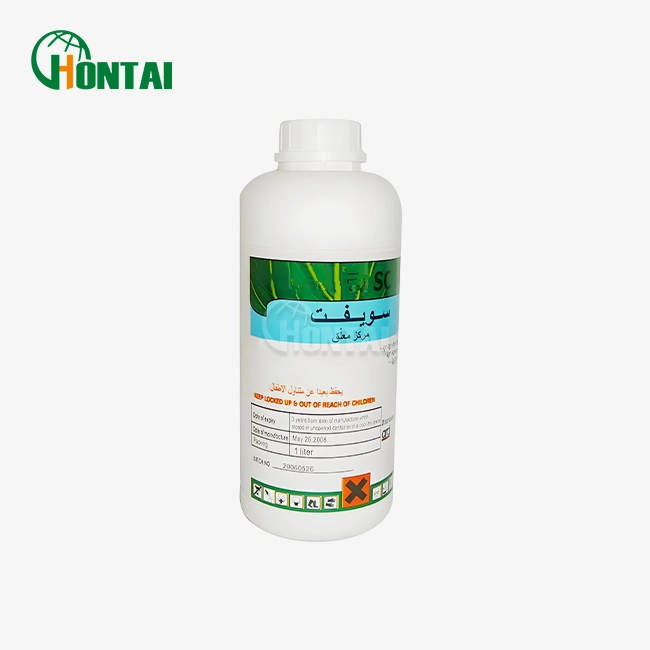
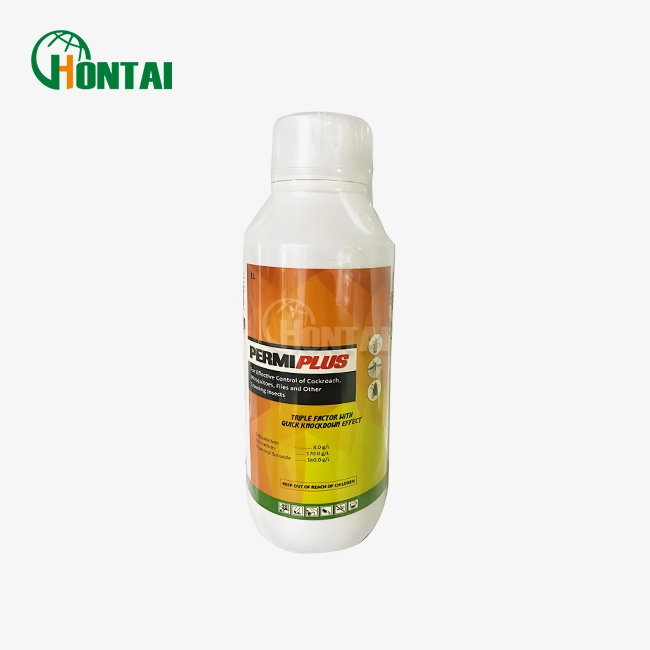

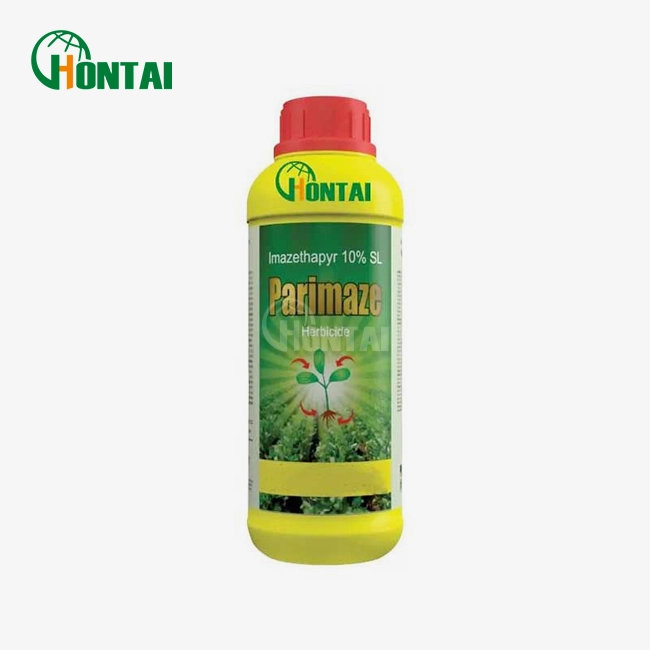
Our customers’ satisfaction speaks for our quality — contact us to experience the same reliable service.