- English
- French
- German
- Portuguese
- Spanish
- Russian
- Japanese
- Korean
- Arabic
- Greek
- German
- Turkish
- Italian
- Danish
- Romanian
- Indonesian
- Czech
- Afrikaans
- Swedish
- Polish
- Basque
- Catalan
- Esperanto
- Hindi
- Lao
- Albanian
- Amharic
- Armenian
- Azerbaijani
- Belarusian
- Bengali
- Bosnian
- Bulgarian
- Cebuano
- Chichewa
- Corsican
- Croatian
- Dutch
- Estonian
- Filipino
- Finnish
- Frisian
- Galician
- Georgian
- Gujarati
- Haitian
- Hausa
- Hawaiian
- Hebrew
- Hmong
- Hungarian
- Icelandic
- Igbo
- Javanese
- Kannada
- Kazakh
- Khmer
- Kurdish
- Kyrgyz
- Latin
- Latvian
- Lithuanian
- Luxembou..
- Macedonian
- Malagasy
- Malay
- Malayalam
- Maltese
- Maori
- Marathi
- Mongolian
- Burmese
- Nepali
- Norwegian
- Pashto
- Persian
- Punjabi
- Serbian
- Sesotho
- Sinhala
- Slovak
- Slovenian
- Somali
- Samoan
- Scots Gaelic
- Shona
- Sindhi
- Sundanese
- Swahili
- Tajik
- Tamil
- Telugu
- Thai
- Ukrainian
- Urdu
- Uzbek
- Vietnamese
- Welsh
- Xhosa
- Yiddish
- Yoruba
- Zulu
Does cypermethrin kill flies?
share:
It does kill flies because it hurts their nerves. In order to get rid of pests in farms, businesses, and factories, it is used a lot. A synthetic pyrethroid insecticide called Cypermethrin targets voltage-gated sodium channels in the nervous systems of flies. The flies are quickly knocked out and killed. If you touch house flies, stable flies, or fruit flies with this chemical, they will vomit and die. In addition to destroying things, it protects surfaces for a long time after they have been treated. Some people who work in procurement and agriculture use Cypermethrin formulations to get rid of fly infestations that hurt crop quality, animal health, and facility cleanliness standards.
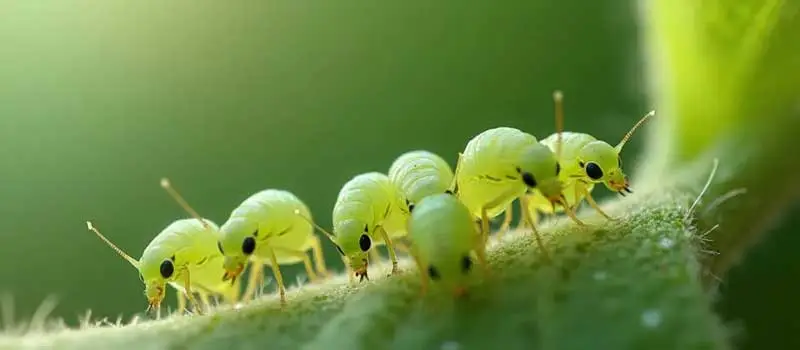
Understanding Cypermethrin and Its Insecticidal Mechanism
How Cypermethrin Kills Bugs
Cypermethrin is very stable and likes fat, so it can quickly pass through the cuticles of bugs and stay active in many places. You can find pyrethrins in chrysanthemum flowers. A lot of work goes into making synthetic pyrethroids like Cypermethrin that don't break down as easily in sunlight. The product will always work well in direct sunlight after this change. This is important for farming outside, where natural compounds break down quickly.
How Cypermethrin Attacks the Fly Nervous System
Cypermethrin molecules are picked up by flies when they land on treated surfaces or eat dirty things. These molecules stick to sodium channels in the membranes of nerve cells and can hurt them. If everything is okay, these channels are only open for a short time to let nerve signals go through. After that, they close right away. Cypermethrin stops sodium channels from closing, so they stay open all the time. This mess up makes nerves fire over and over, muscles get too tense, people lose their ability to move, and they die. When the process is exposed, it starts right away, giving a quick knockdown that procurement experts like for situations where pest control needs to happen right away.
Selective Toxicity and Environmental Behavior
But Cypermethrin 95% TC Powder Fly Pests Killer is only harmful to insects because their bodies are warmer and their metabolism is different from mammals'. Pests with cold blood can't use enzymes as well to break down pyrethroids as warm-blooded animals can. Toxicities are less likely to happen now. Things can last for different amounts of time depending on how they were made and how they are used. The half-life of Cypermethrin in soil varies from 30 to 90 days depending on the pH level, the amount of organic matter, and the microbes that are present. If you follow the directions on the label, this persistence window will help you get rid of bugs and keep the environment from getting worse over time.
Effectiveness of Cypermethrin Against Flies—Scientific Evidence and Practical Use
Cypermethrin kills more types of flies than other chemicals in a variety of operational settings, as shown by tests done both in the lab and in the field. Agricultural researchers have found that more than 90% of flies that touch surfaces that have been treated die within 24 hours. These outcomes always happen in a wide range of climates, from hot greenhouses to cool outdoor growing systems.
Comparative Performance Against Common Fly Species
Farmers have to deal with house flies (Musca domestica), stable flies (Stomoxys calcitrans), and fruit flies (Drosophila species)... all of which are pests. To get rid of each type of fly, you need a different method. A lot of different species can be killed by Cypermethrin because it affects their nerves. By spraying Cypermethrin on surfaces where stable flies are sitting, you can kill a lot of them. Because of this, animals can't eat as much food and gain weight, which is bad for businesses. Fruit processing plants fog with Cypermethrin to get rid of fruit flies that make the food taste bad and make it harder to follow the rules.
Resistance Management and Integrated Approaches
If an insecticide tries to reach certain types of flies, it can't hurt them because their bodies have made more enzymes that break it down before it can do any damage. To fix this problem, procurement teams switch out Cypermethrin for insecticides like neonicotinoids or organophosphates that work in different ways. This way of turning keeps you in charge and slows down the buildup of resistance. They don't have to rely on just one way to get rid of pests in integrated pest management programs. Better sanitation, biological controls, and physical barriers are also used.
Formulation Advantages for Diverse Applications
When purchasing agents know about the differences in formulations, they can better match products to the needs of different projects. When used at lower rates, isomer mixtures of Alpha-cypermethrin are better at killing pests than regular Cypermethrin mixtures. Hontai sells it in various forms, such as 25% EC, 10% EC, and 5% EC (emulsifiable concentrates), so it can be used with various sprayers and in various locations. Some concentrates can be stable when mixed with water. These stable mixtures can be used in backpack sprayers, units on tractors, and automated fogging systems. Many types of businesses can use it because it is adaptable, from small vegetable farms to large grain storage facilities.
Safety, Environmental Impact, and Regulatory Considerations
It's important to follow the rules and the right way to handle Cypermethrin when you get it and use it responsibly. Pyrethroids aren't as bad for mammals as older insecticides, but they still need to be carefully managed to protect people who use them, animals that aren't meant to be killed, and the environment.
Human Safety Protocols and Exposure Management
Most of the time, workers are exposed when they load, mix, or even apply. You need to wear long-sleeved clothes, gloves that can handle strong chemicals, safety glasses, and a respirator when working in small spaces with chemicals. After being out in the sun for a long time, your skin may become irritated, numb, or even tremble, making it hard to move. These effects usually go away quickly after exposure ends. At the very least, take off any dirty clothes and wash your skin well with soap and water. If your symptoms don't get better, you should see a doctor. To keep things from getting out by accident, storage facilities need to have enough air flow, safe access controls, and containers with clear labels.
Impact on Non-Target Species and Mitigation Strategies
Both fish and invertebrates that live in water, as well as helpful insects like bees and other pollinators, are extremely vulnerable to Cypermethrin. The rules for buying things are focusing more and more on formulas and application times that cause the least harm to other things. To lower the risk of exposure, treatments can be done at night, when pollinators are not out and about. Boundary zones around bodies of water keep drift and runoff from making them dirty. Microencapsulated formulations are used by some companies. These make direct contact less dangerous while still keeping the long-term effectiveness of the pesticides.
Regulatory Standards Across Key Markets
There are rules about how to use some Cypermethrin products, how much to use, and how long you must wait before going back into areas that have been treated. Part of the registration dossiers are tests that show how well chemicals work and studies that show how chemicals break down in the environment. When sellers buy things to send to other countries, procurement teams need to make sure the sellers have all the paperwork they need. This has to do with export permits that follow the rules of the country where the goods are going, Good Manufacturing Practice (GMP) certificates, and a Certificate of Analysis (COA) for each batch of production. An Asian company called Hontai uses quality control systems that are in line with FAO rules and CIPAC analysis methods. This makes sure that their goods are clean and work well enough to meet standards around the world.
Procurement Guide for Cypermethrin in B2B Markets
When people choose strategic sourcing, it affects not only how much something costs in the short term, but also how stable and reliable the supply chain is in the long term. There are a few things you should really think about before you look for places to get Cypermethrin.
Evaluating Supplier Capabilities and Certifications
People will trust a company that always makes good products, follows the rules, and can help with technical issues. When buying teams look at possible suppliers, they should make sure that they follow ISO 9001 quality management standards, can meet volume needs, and have a history of getting things done on time. Technical data sheets usually need to say how pure the active ingredient is (at least 95% for technical concentrate), the isomer ratios that affect biological activity, and the physical properties of the ingredient, such as how stable it is and how well it dissolves. Hontai knows a lot about different kinds of Alpha-cypermethrin. They know different ways to use 25% EC, 10% EC, and 5% EC concentrations on cotton, cereals, vegetables, and fruit crops, among other things.
Understanding Price Determinants and MOQ Requirements
The price is based on how much it costs, how much is made, and how hard the formula is. Because it has to be so pure, technical concentrate (95% TC) powder costs a lot. It's what a lot of things are made of. It is easier to use emulsifiable concentrates when stabilizers, emulsifiers, and solvents are added to them, but it costs more to make them. The least amount of standard formulations that can be ordered is usually 500 liters, and the least amount of technical concentrates that can be ordered is several metric tons. This is because of how the economics of making batches work. When you make deals for long-term supplies, you can often get better deals and a safe place to be when supplies run out.
Logistics and Packaging Considerations
Items with Cypermethrin in them are dangerous and need to be shipped in special boxes with labels and paperwork. For retail sales, standard HDPE bottles from 100ml to 1 liter are used. 200-liter drums or 1000-liter intermediate bulk containers (IBC) are best for business use. The International Maritime Dangerous Goods (IMDG) code says what must be done when dangerous goods are shipped across international waters. There are rules in this code that say the items must have the right UN numbers, labels, and shipping papers. Hontai ensures that goods get to their destinations quickly and safely. They also handle the goods carefully and keep them at the right temperature to keep the quality high.
Making the Right Choice: Cypermethrin vs Alternatives for Fly Control
Before you buy something, it's smart to compare it to other options and see how useful, safe, cost-effective, and compatible it is with other systems. Cypermethrin has been shown to work, but you can choose the best one for your needs if you know about other options.
Comparing Pyrethroid Options
Another pyrethroid that is used a lot is deltamethrin. It does the same thing that pyrethroids do, but it is not as strong. Most of the time, deltamethrin kills flies just as well at lower rates, so you can use less of it and still be safe. When it comes to cost per hectare or per treatment, though, mixtures with Cypermethrin are often better. The company will be more likely to do this if they buy them from a supplier they have worked with before. These Alpha-cypermethrin products from Hontai are the best at killing bacteria and are also the easiest to use. To do this, they use better isomer mixtures than regular Cypermethrin mixtures, which kill bugs faster and for longer.
Natural and Alternative Control Methods
People are becoming more interested in biological controls and compounds that come from plants because more and more groups of people want to use fewer man-made chemicals. Spinosad products made from bacteria in the soil are good for the environment and can kill flies only. They do, however, need to be used more often and break down quickly in UV light. Taking pyrethrin from chrysanthemum flowers in large amounts kills quickly and doesn't do much else. They help you act quickly, but they don't keep you safe in the long run. It costs more to use these other options every time, and they might not work as well in places where fly populations get too high and hurt the economy, like commercial farming or food processing.
Strategic Recommendations for Different Operational Contexts
Cypermethrin 95% TC Powder Fly Pests Killer, and other broad-spectrum pesticides are known to kill a lot of different types of pests. Large farms that take care of hundreds to thousands of hectares should use these. By buying technical concentrates and mixing them in their own special ways, companies that know how to use the right tools and gear can save even more money. If your business sells agrochemicals to a lot of different types of people, you should make sure you have a lot of different products in stock that are all different strengths and forms. Hontai comes in a number of different forms, with 25% EC, 10% EC, and 5% EC. These are made to meet the needs of a wide range of customers, from large commercial farms that need the strongest solutions to small businesses that would rather use concentrations that have already been made. Businesses that get rid of pests can benefit from formulas that last a long time. This is because they need to be used less often and keep customers happy by always getting the same results.
Conclusion
In commercial, industrial, and agricultural settings, Cypermethrin is a time-tested, affordable method of eliminating flies. It kills bugs quickly and keeps them safe for a long time because it makes them nervous. It can be used to get rid of pests in places where plants are grown, animals are kept, and food is processed. When you buy something, you should know about different formulations, check out the skills of suppliers, and use strategies that take into account how well they work, how safe they are, and how much they care about the environment. Others that make Alpha-cypermethrin products, like Hontai, use better isomer compositions to make their goods work better. These goods are backed by a lot of technical data and a strong global distribution network. Being able to trust your suppliers is the best way to get high-quality goods that can adapt to the market's changing needs. It gets harder to deal with resistance and follow the rules, so this is even more important.
FAQ
Q1: What safety precautions should handlers follow when working with cypermethrin?
When people mix and use chemicals, they need to wear long-sleeved clothes, gloves that can handle chemicals, and safety glasses. In small spaces or with strong materials, you should always wear a respirator. Make sure the area is safe and has good air flow, and keep things away from food and feed. Read the label to see how long after treatment it is safe for people and animals to go back into the area. Right away, wash any skin that was touched with soap and water.
Q2: How long does cypermethrin remain effective on treated surfaces?
What changes the residual activity are the type of formulation, how fast it is applied, the weather, and how the surface is made. If you use it inside on porous surfaces, it should last for 4 to 8 weeks. When used outside, they only last two to four weeks because water and sunlight hurt them more. Because the active ingredients are released slowly over time, microencapsulated formulations protect for a longer time.
Q3: Can cypermethrin be used safely around beneficial insects during crop treatments?
Cypermethrin is very bad for bees and other pollinators. When pollinators aren't around, in the evening, is the best time to treat plants. Don't spray plants that are flowering when they are in bloom. During times when pollination is important, you might want to find other ways to get rid of pests. Although some formulations are less harmful to beneficial predatory insects when they come into contact with pests, they still kill the pests they are meant to kill.
Partner with Hontai for Reliable Cypermethrin Solutions
Once you need pyrethroid insecticides, you should only buy them from companies that are good at what they do, make sure their products work, and have helpful customer service. For businesses and farms that need to get rid of pests, Hebei Hontai Biotech Co., Ltd. makes mixtures of Alpha-cypermethrin. Customers can get full technical advice from our professional, skilled staff, and they can also help them choose the best formulas for getting rid of flies in cotton, cereal, vegetable, and livestock farms.
If you are a large farming company looking for Cypermethrin suppliers, an agrochemical distributor wanting to add more products to your line, or a pest control service company that needs to keep up its work and file paperwork with the government, Hontai can help. They offer reliable choices that are backed by quality control systems, and they can work in farming all over the world. To make different kinds of formulations, we can use 25% EC, 10% EC, or 5% EC. We can also help you think of good ways to package your goods.
Send us an email at admin@hontai-biotech.com to talk about what you want to buy, get full product specs, or get quotes on Cypermethrin for sale in the right amounts for your business.
References
1. Bradberry, S.M., Cage, S.A., Proudfoot, A.T., Vale, J.A. (2005). "Poisoning due to pyrethroids." Toxicological Reviews, 24(2), 93-106.
2. Narahashi, T. (2000). "Neuroreceptors and ion channels as the basis for drug action: past, present, and future." Journal of Pharmacology and Experimental Therapeutics, 294(1), 1-26.
3. Soderlund, D.M. (2012). "Molecular mechanisms of pyrethroid insecticide neurotoxicity: recent advances." Archives of Toxicology, 86(2), 165-181.
4. Scott, J.G., Georghiou, G.P. (1986). "Mechanisms of resistance to synthetic pyrethroids in the house fly, Musca domestica." Pesticide Biochemistry and Physiology, 26(1), 68-77.
5. Kaufman, P.E., Rutz, D.A., Frisch, S. (2005). "Large sticky traps for capturing house flies and stable flies in dairy calf greenhouse facilities." Journal of Dairy Science, 88(1), 176-181.
6. Environmental Protection Agency (2019). "Reregistration Eligibility Decision for Cypermethrin." EPA Publication 738-R-06-014, Washington, D.C.
Our customers’ satisfaction speaks for our quality — contact us to experience the same reliable service.