- English
- French
- German
- Portuguese
- Spanish
- Russian
- Japanese
- Korean
- Arabic
- Greek
- German
- Turkish
- Italian
- Danish
- Romanian
- Indonesian
- Czech
- Afrikaans
- Swedish
- Polish
- Basque
- Catalan
- Esperanto
- Hindi
- Lao
- Albanian
- Amharic
- Armenian
- Azerbaijani
- Belarusian
- Bengali
- Bosnian
- Bulgarian
- Cebuano
- Chichewa
- Corsican
- Croatian
- Dutch
- Estonian
- Filipino
- Finnish
- Frisian
- Galician
- Georgian
- Gujarati
- Haitian
- Hausa
- Hawaiian
- Hebrew
- Hmong
- Hungarian
- Icelandic
- Igbo
- Javanese
- Kannada
- Kazakh
- Khmer
- Kurdish
- Kyrgyz
- Latin
- Latvian
- Lithuanian
- Luxembou..
- Macedonian
- Malagasy
- Malay
- Malayalam
- Maltese
- Maori
- Marathi
- Mongolian
- Burmese
- Nepali
- Norwegian
- Pashto
- Persian
- Punjabi
- Serbian
- Sesotho
- Sinhala
- Slovak
- Slovenian
- Somali
- Samoan
- Scots Gaelic
- Shona
- Sindhi
- Sundanese
- Swahili
- Tajik
- Tamil
- Telugu
- Thai
- Ukrainian
- Urdu
- Uzbek
- Vietnamese
- Welsh
- Xhosa
- Yiddish
- Yoruba
- Zulu
Difenoconazole 25% EC Uses and Application Guide
share:
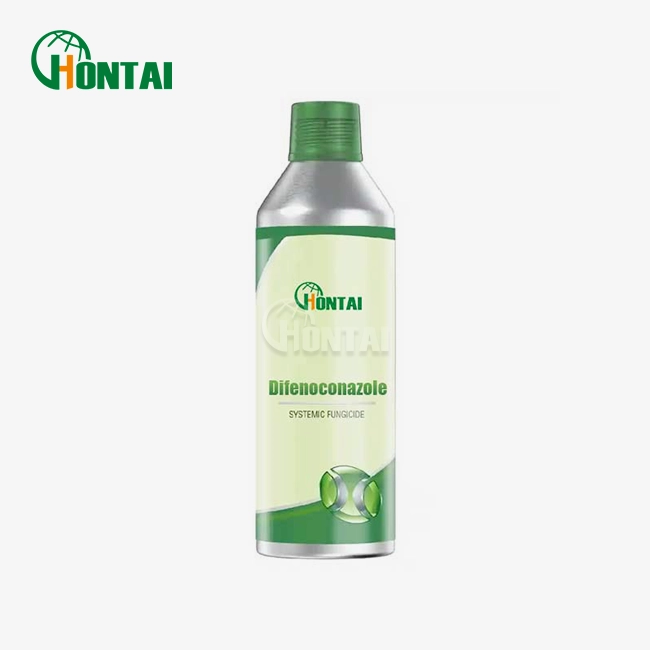
Difenoconazole 25% EC is a state-of-the-art systemic pesticide that effectively controls a wide range of diseases in a variety of farming settings. This detailed guide talks about the strategic benefits, the right way to use this advanced crop safety technology, and things you should think about when buying it. Those who work in agriculture and buying will learn how this new recipe saves crop growth potential while keeping crop quality high through seed treatment methods and spray applications. Because of this, it is a key part of current integrated pest control plans.

Understanding Difenoconazole 25% EC: Uses, Mode of Action, and Safety
Fungicides that work consistently across a wide range of crop systems are needed in modern agriculture. It is a triazole pesticide called Difenoconazole 25% EC that protects the whole body by stopping harmful fungi from making ergosterol. This particular mode of action stops the formation of fungus cell membranes, which successfully controls diseases while preventing the growth of resistance when used in cycle programs.
Comprehensive Crop Protection Applications
This pesticide is very useful because it can be used on a wide range of high-value crops and works very well in a variety of farming conditions. Commercial growers depend on how well it works on grapes to keep powdery mildew and black rot under control. Stone fruit farms benefit from its ability to keep brown rot and scab diseases at bay. Its systemic features help cereal farmers control leaf spot and rust outbreaks that threaten the production of wheat, barley, and rice.
Growers of vegetables especially like how well it kills a wide range of soil-borne and plant-surface diseases. It helps farmers grow sugar beets by keeping cercospora leaf spot at bay, and it keeps sclerotinia and alternaria diseases at bay for oilseed rape farmers. The systemic movement of the mixture protects new growth and provides long-lasting leftover action that lowers the need for repeated applications and running costs.
Safety Profile and Environmental Considerations
Aside from making sure products are safe, farming businesses also care about the health and safety of their workers and the surroundings. This chemical is not very dangerous as long as it is used according to the right steps. As you mix and apply, you need to wear long-sleeved clothes, gloves that can handle chemicals, and eye protection.
It doesn't stay in the soil for long after being spread according to the advice on the box, and it doesn't hurt useful arthropods much. It is less possible that the formula will build up over time because it is broken down by natural organisms. To keep water sources clean, people should be careful how they use them and leave enough space between them and the water.
Application Guidelines: Dosage, Crop Compatibility, and Formulation
Strategic timing of application increases the effectiveness of fungicides while also maximizing the profits for businesses. It is important to know the right dosage rates, needs for each crop, and preparation properties so that disease control works the same way in all production methods, such as with Difenoconazole 25% EC.
Precision Dosage and Timing Strategies
Chemicals only work if they are used at the right times and in the right amounts for each crop and disease level. Many times, 100 to 200 ml per hectare is enough for grains if the disease isn't too bad and the plants are at the right stage of growth. It's possible that 150 to 300 ml per hectare is enough for fruit fields to get the best covering and blood flow. Most of the time, 125 to 250 ml per hectare of green crops works well, as long as the crop density and cover growth are changed.
Timing apps to align with key infection times improves their ability to protect against and treat infections. When it comes to disease control, preventative treatments that are used when the conditions are right are better than reaction treatments that are used after symptoms appear. Some things to think about during the growth stage are pre-bloom treatments for fruit crops and flag leaf emerging treatments for grains.
Tank-Mix Compatibility and Formulation Benefits
The emulsifiable concentrate mixture mixes well with other crop protection products, which lets you use combined methods for pest control. Contact fungicides, pesticides, and foliar nutrients are all compatible tank-mix partners as long as stable testing for physical and chemical compatibility is positive.
Here are the main benefits of the mixture that make application more effective:
- Better Stability: The 25% active ingredient concentration in emulsifiable concentrate form ensures stable suspension qualities and a longer shelf life as long as the product is stored properly.
- Better Coverage: Surfactant qualities in the recipe help droplets spread out and stick to different leaf surfaces.
- Systemic Activity: Quick uptake and movement within plant cells protects new growth and parts of plants that are hard to get to.
- Storage Flexibility: The liquid form removes worries about dust and makes it easier to handle in industrial equipment.
These features of the composition directly address the practical problems that large-scale agricultural farmers face, cutting down on the time needed for handling and improving the regularity of application over large areas of land.
Comparing Difenoconazole 25% EC with Alternative Fungicides
When making a purchase choice, it's important to look at all of the available fungicides, such as Difenoconazole 25% EC, and think about their performance, how to deal with resistance, and their long-term worth. Understanding how competitors are positioned helps farm buyers choose the best crop safety options for their needs.
Performance Analysis Against Market Alternatives
Comparative studies show that some triazole fungicides are clearly better than others in a number of important performance areas. Unlike other tebuconazole products, this one is more resistant to rain and has longer-lasting effects. Strobilurin fungicides, such as azoxystrobin, work in different ways, but they don't have the healing power of triazole chemistry.
Field tests regularly show that improved formulation technology and quality control standards make difenoconazole formulations better at controlling diseases for longer periods of time than common formulations. The way systemic fungicides move is better than how contact fungicides move, so they protect crops during times of fast crop growth when it's hard to apply them often.
Cost-Effectiveness and Return on Investment
Economic research shows that industrial farming companies can make a lot of money. When compared to products that need to be reapplied often, products that can be applied more often save money on work and equipment costs. The broad-spectrum action gets rid of the need for various fungicides, which makes it easier to keep track of supplies and buy things.
Data on yield security from field studies that took place over multiple seasons show that return rates are consistently higher than 3:1 in places with a lot of disease. Improvements in the quality of produced goods, such as lower mycotoxin levels and longer storage life, have economic benefits that go beyond the direct results of controlling disease.
Procurement Guide for Difenoconazole 25% EC in Global B2B Markets
To make good buying plans, you need to know what your suppliers can do, how to meet legal standards, and how to deal with the logistics that affect product supply and prices. A thorough review of possible providers and their service skills is helpful for agricultural buyers.
Supplier Evaluation and Quality Assurance
To find trustworthy providers, you need to look at their producing skills, quality control systems, and records of legal compliance. Reputable makers follow the rules for ISO approval and provide a lot of scientific data to back up product specs. The papers that come with the certificate of analysis should prove the amount of active ingredient, the safety of the mixture, and the lack of any impurities that aren't allowed.
Some of the things that are used to judge a supplier are their expert support skills, their ability to meet yearly changes in demand, and their production capacity. Price security and priority placement during times of high demand are often provided by long-term supply deals. When the supply chain is interrupted, backup source ties keep things running smoothly.
Packaging and Logistics Considerations
Businesses that grow crops need packing choices that can fit large-scale application tools and storage sites. Standard packaging includes 1-liter containers for smaller businesses and 200-liter drums for larger ones. Intermediate bulk containers are good for people who use a lot of them because they cut down on packaging waste and handling costs.
Due to the fact that the mixture containing Difenoconazole 25% EC is liquid, international shipping rules say that it must follow dangerous goods rules. Material safety data sheets, phytosanitary certificates, and import permits specific to the target country are all examples of the right paperwork. Requirements for cold storage during shipping protect the safety and efficiency of the product.
Conclusion
Difenoconazole 25% EC emerges as a strategic crop protection solution that addresses the evolving needs of modern agricultural operations through its broad-spectrum efficacy, systemic activity, and favorable safety profile. The comprehensive application guidelines and comparative analysis presented in this guide enable informed procurement decisions that optimize both disease control outcomes and operational efficiency. Hontai's commitment to quality manufacturing, flexible customization options, and comprehensive technical support ensures reliable partnerships for agricultural professionals worldwide.
FAQ
1. What resistance management strategies work best with difenoconazole 25% EC applications?
Effective resistance management requires rotating between different fungicide modes of action throughout the growing season. Difenoconazole belongs to the triazole group (FRAC code 3), which should be alternated with strobilurin fungicides (FRAC code 11) or contact fungicides like mancozeb. Limiting triazole applications to a maximum of three per season and avoiding consecutive applications of the same mode of action helps preserve product efficacy.
2. How should I store Difenoconazole 25% EC to maintain product potency?
Store the product in original containers in cool, dry locations away from direct sunlight and temperature extremes. Ideal storage temperatures range between 5 and 35°C. Avoid freezing conditions that may affect formulation stability. Keep containers tightly sealed to prevent moisture absorption and contamination. Properly stored product maintains full potency for three years from the manufacturing date.
3. Can Difenoconazole 25% EC be tank-mixed with other pesticides safely?
Tank-mixing compatibility depends on specific products and application conditions. Generally compatible with most contact fungicides, certain insecticides, and foliar nutrients. Avoid mixing with strongly alkaline products or those containing high copper concentrations. Always conduct small-scale compatibility tests before full-scale mixing and follow label restrictions for specific crop and product combinations.
Partner with Hontai for Premium Difenoconazole 25% EC Solutions
Hontai Biotech stands ready to support your agricultural operations with high-quality difenoconazole formulations backed by comprehensive technical expertise and reliable global logistics. Our experienced team understands the critical importance of consistent product quality and dependable supply chains in commercial agriculture. As a trusted Difenoconazole 25% EC manufacturer, we offer competitive pricing structures, flexible packaging options, and customized labeling services that meet diverse market requirements. Contact our sales specialists at admin@hontai-biotech.com to discuss bulk procurement opportunities and access detailed product specifications that support your crop protection objectives.
References
1. Agricultural Fungicide Resistance Management Guidelines, Fungicide Resistance Action Committee, 2023.
2. Triazole Fungicides in Modern Crop Protection: Mode of Action and Application Strategies, Journal of Agricultural Chemistry, 2022.
3. Difenoconazole: Properties, Applications and Environmental Impact Assessment, Crop Protection Science Review, 2023.
4. Integrated Disease Management in Commercial Agriculture: Best Practices for Fungicide Applications, International Agricultural Research Institute, 2022.
5. Quality Standards for Emulsifiable Concentrate Formulations in Global Agricultural Markets, Agrochemical Manufacturing Association, 2023.
6. Economic Analysis of Fungicide Applications in Large-Scale Crop Production Systems, Agricultural Economics Quarterly, 2022.
Our customers’ satisfaction speaks for our quality — contact us to experience the same reliable service.