- English
- French
- German
- Portuguese
- Spanish
- Russian
- Japanese
- Korean
- Arabic
- Greek
- German
- Turkish
- Italian
- Danish
- Romanian
- Indonesian
- Czech
- Afrikaans
- Swedish
- Polish
- Basque
- Catalan
- Esperanto
- Hindi
- Lao
- Albanian
- Amharic
- Armenian
- Azerbaijani
- Belarusian
- Bengali
- Bosnian
- Bulgarian
- Cebuano
- Chichewa
- Corsican
- Croatian
- Dutch
- Estonian
- Filipino
- Finnish
- Frisian
- Galician
- Georgian
- Gujarati
- Haitian
- Hausa
- Hawaiian
- Hebrew
- Hmong
- Hungarian
- Icelandic
- Igbo
- Javanese
- Kannada
- Kazakh
- Khmer
- Kurdish
- Kyrgyz
- Latin
- Latvian
- Lithuanian
- Luxembou..
- Macedonian
- Malagasy
- Malay
- Malayalam
- Maltese
- Maori
- Marathi
- Mongolian
- Burmese
- Nepali
- Norwegian
- Pashto
- Persian
- Punjabi
- Serbian
- Sesotho
- Sinhala
- Slovak
- Slovenian
- Somali
- Samoan
- Scots Gaelic
- Shona
- Sindhi
- Sundanese
- Swahili
- Tajik
- Tamil
- Telugu
- Thai
- Ukrainian
- Urdu
- Uzbek
- Vietnamese
- Welsh
- Xhosa
- Yiddish
- Yoruba
- Zulu
Difenoconazole 25% EC Price Comparison 2026: Find the Best Deals Online
share:
In 2026, Difenoconazole 25% EC stands out as the best systemic fungicide option on the competitive farm market. It provides great value by protecting against a wide range of diseases and reliably increasing crop yields. Market research shows that prices vary a lot between sellers, with prices running from $45-85 per liter based on order number and supply in different regions. Smart buying workers know that price is still important, but that long-term value is often determined by things like the quality of the product, the standards for approval, and how reliable the provider is. Hontai's Difenoconazole 25% EC version stands out with its 250g/L content and wide range of crop protection benefits, making it a good choice for picky farmers looking for the best value for money.
Understanding Difenoconazole 25% EC and Its Market Position
The chemical structure of difenoconazole is based on a triazole ring, which has the formula C19H17Cl2N3O2 and the CAS number 119446-68-3. This systemic fungicide works by stopping the production of ergosterol, which stops the formation of fungus cell membranes and stops and heals a wide range of harmful risks. Agricultural workers like that it can be used in two different ways, so it can be effectively used for either foliar spraying or seed treatment, based on the needs of the crop and the level of disease pressure.
Broad-Spectrum Disease Control Capabilities
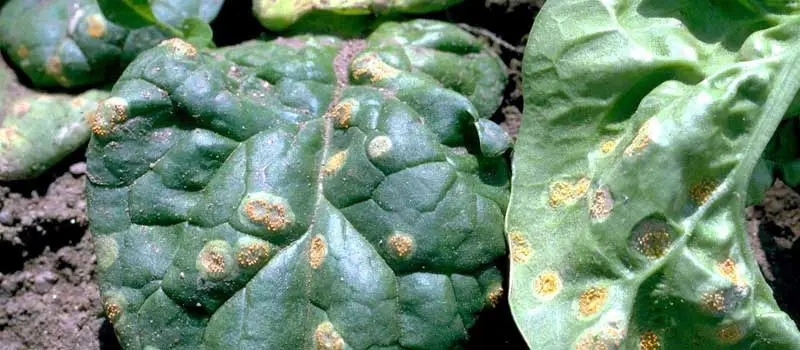
These days, farming needs fungicides that can fight various diseases at the same time, and difenoconazole is great at this. The active ingredient works very well against powdery mildew, rust diseases, black spot, and different leaf blight bacteria in a wide range of crop types. According to research, difenoconazole's special way of working protects for 14 to 21 days under normal field settings, which means that it doesn't need to be applied as often and costs less overall.
Commercial growers like how useful the product is in a wide range of farming areas. Fruit growers use it to get rid of scab and black spots, and cereal farmers depend on it to kill stripe rust and powdery mildew. It protects against early blight and anthracnose, which is good for vegetable farms. This shows that the chemical can be used in a wide range of farming settings and growing methods.
Environmental Profile and Safety Considerations
Concerns about environmental care affect a lot of purchasing choices. This is especially true for big farming companies that are getting more and more attention from regulators. When used as directed by the label, difenoconazole has good environmental traits, such as low volatility and a lower risk to helpful bugs. Studies by farming research institutions show that applications made at the right time, which skip bloom times, have little effect on bee numbers.
The compound's breakdown profile of Difenoconazole 25% EC shows that it has reasonable amounts of endurance that are good enough to control disease without building up too much in the environment. Depending on the surroundings, the half-life of soil is usually between 30 and 90 days. This lets the substance break down naturally while still protecting crops during important growth times.
Comparative Analysis: Difenoconazole 25% EC vs Other Fungicides
Understanding how competitors are positioned helps buying teams make smart choices that match the need for performance with the need to stay within budget. Difenoconazole's market situation shows that it is the only fungicide that has a unique mix of broad-spectrum action, systemic movement, and resistance control benefits.
Performance Benchmarks Against Major Competitors
Tebuconazole is a main option that is competitive. It belongs to the triazole chemical class but has a different range and endurance properties. In field tests, difenoconazole regularly works better than tebuconazole against rust diseases and black spot bacteria. Tebuconazole also works better in some situations where a disease is spread by dirt. Comparing prices shows that difenoconazole usually costs 15-20% more than other drugs because it works better and covers more crops.
As an alternative competing standard, azoxystrobin belongs to the strobilurin chemical class and works differently. Azoxystrobin is very good at keeping diseases from happening, but difenoconazole is much better at curing them when they do happen. A cost study shows that prices are pretty much the same, so choosing a product depends on the disease problem and how flexible the application time needs to be.
Formulation Advantages and Market Differentiation
Emulsifiable concentrate mixtures like Difenoconazole 25% EC have clear benefits over other product types, especially when it comes to application freedom and compatibility with tank mixes. Liquid EC versions dissolve easily in water-based spray solutions, so they require less mixing time and cleaning of equipment than powder options. This level of simplicity usually explains small price increases, especially for businesses that put a high value on program speed and managing worker costs.
According to market studies, professional applicators are becoming more interested in EC formulas because they are less likely to move and give better area uniformity. These application benefits lead to more consistent disease control and less product waste, which lowers the overall cost-effectiveness even if the price per unit is higher.
Comprehensive Guide to Purchasing Difenoconazole 25% EC Online in 2026
To successfully buy things online, you need to carefully check the qualifications of the suppliers, the details of the products, and their shipping options. Smart sellers set up thorough evaluation procedures for vendors that look at more than just the original price quotes. This way, they can be sure that they will have solid supply chain relationships that meet their long-term business needs.
Essential Supplier Evaluation Criteria
Verification of certification is an important part of buying fungicides responsibly because it keeps buyers safe from fake goods and problems with following the rules. Legitimate providers keep their product registrations, manufacturing licenses, and quality management certifications up to date, which shows that they follow professional standards. Hontai Biotech shows these traits by having clear manufacturing practices and lots of approval paperwork that makes customers trust the company.
Quality stability is another important thing to look at when judging, especially for tasks that need to work reliably during different application seasons. Well-known companies spend money on scientific testing methods and batch-to-batch quality tracking systems that make sure the specs of their products stay within acceptable limits. This dependability is especially useful for big projects where changes in product performance could have an effect on thousands of acres.
Wholesale Pricing Structures and Volume Advantages
The general cost of fungicides like Difenoconazole 25% EC is affected by buying in bulk in a big way. Depending on the amount ordered and the supplier's rules, volume savings can range from 15% to 35%. Agricultural wholesalers can often get the best prices by combining needs from different growing seasons or customer accounts into one program for combined buying.
Knowing the minimum order numbers helps buyers make the best decisions about what to buy while keeping costs down. Most makers set up tier-based pricing systems that offer lower unit costs and better service levels to customers who make bigger promises. Prices are also affected by the time of year; orders placed early in the season often get better prices than emergency purchases made during busy application times.
International Shipping and Logistics Considerations
When you buy fungicides across international borders, you need to pay close attention to shipping operations and follow the rules. Product safety data sheets, analysis certificates, and trade permits that meet the needs of the target country are all examples of proper paperwork. Hontai and other experienced sellers offer full export paperwork services that make customs clearance faster and cut down on delivery delays.
When choosing a shipping method, you have to think about both cost and arrival time. Ocean freight is cheaper for big orders, but it takes longer to get to you, and it costs more. Air freight, on the other hand, delivers quickly but costs more. Smart buyers plan their purchases around the needs of seasonal applications to get the best deals on transportation without affecting operating schedules.
Practical Usage Tips for Maximizing Value from Difenoconazole 25% EC
Effective application methods have a direct effect on how well a product works and how much it costs, so following the right usage guidelines is important for getting the best return on investment. Users can get the most disease control while wasting the least amount of product by knowing the best dose rates, application times, and external factors.
Crop-Specific Application Protocols
For cereal crops, you usually need 200 to 300 ml per hectare, but this depends on how many diseases are present and when the plants are in their growth stages. Using it early in the season during tillering is a great way to protect against damage, and using it later in the season during flag leaf appearance targets important times for yield formation. Research shows that split uses often do a better job of controlling diseases than single high-rate treatments, especially when there are a lot of diseases around.
Different diseases and times of the year affect fruit crop practices in very different ways. For controlling brown rot in stone fruits, Difenoconazole 25% EC treatments focus on when the petals fall off and the flowers open. Rates of 250 to 400 ml per hectare are used, based on the tree's size and disease history. Grapes are treated to stop powdery mildew every 14 to 21 days during growth times when they are most likely to get it. This way, the protection stays the same during important stages of development.
Integration with Comprehensive Disease Management Programs
To keep fungicides working over time, resistance control methods need to switch between different types of chemistry. Integrated programs that switch between triazole, strobilurin, and multi-site chemistry classes throughout the growing season work well with Difenoconazole. This method keeps disease control working well while lowering the selection pressure that could cause resistance to form.
Tank mixing lets you treat more than one type of pest at the same time, which increases the effectiveness of the application and lowers the costs of running the business. Different pesticides and plant growth factors can be mixed safely as long as they have been properly tested to make sure they are compatible. Professional applicators often make standard tank-mix plans that cover more than one crop by making applications at the same time.
Environmental Optimization and Safety Protocols
The weather has a big effect on how well an application works and how safe it is for the world. Ideal application windows have mild temperatures, low wind speeds, and just the right amount of humidity to help the product absorb while reducing the chance of drift. If you don't apply during weather inversions or high winds, you'll protect areas that aren't the goal and make sure that the product stays on treated surfaces as long as possible.
Chemical-resistant gloves, eye protection, and clothes that keep skin from touching are all required pieces of personal safety equipment when handling Difenoconazole 25% EC. Calibration of tools correctly ensures accurate application rates while reducing trash and damage to the environment. Regular cleaning and care of equipment stops cross-contamination and makes application equipment last longer.
Conclusion
Difenoconazole 25% EC continues to be a great deal in the agriculture market of 2026 because it is good at controlling diseases and has reasonable prices. When making smart buying choices, people think about things like how reliable the seller is, how consistent the quality of the products is, and how many support services are available. Hontai Biotech is dedicated to producing quality and building partnerships with its customers. As a result, it offers reliable pesticide solutions that protect crop investments and improve business efficiency. Hontai is a good partner for smart farmers who want reliable crop protection options because it has advanced recipe technology, affordable prices, and skilled support services.
FAQ
Q1: How can procurement teams verify supplier authenticity and avoid counterfeit products?
Legitimate suppliers maintain comprehensive documentation, including manufacturing licenses, product registrations, and quality certifications that buyers should request during vendor evaluation processes. Established companies provide detailed certificates of analysis, safety data sheets, and regulatory approval documents that demonstrate the authenticity of their products. Buyers should verify supplier credentials through industry associations and request facility inspection rights for significant volume commitments.
Q2: What regulatory considerations apply to Difenoconazole 25% EC in the US and EU markets?
United States regulations require EPA registration for all fungicide products, with specific label restrictions governing application rates, crop usage, and pre-harvest intervals. European Union standards involve individual country registrations under harmonized assessment procedures that evaluate environmental impact and human health safety. Importers must maintain proper documentation proving product compliance with destination country requirements before customs clearance.
Q3: Is Difenoconazole 25% EC compatible with other fungicides for tank-mixing applications?
Q4: Physical compatibility testing should always precede tank-mixing operations to verify mixture stability and prevent equipment damage. Most triazole fungicides demonstrate good compatibility with strobilurin and multi-site products, though specific combinations require individual evaluation. Professional applicators typically conduct small-scale compatibility tests before preparing large tank volumes, checking for precipitation, separation, or other stability issues.
Q5: What storage requirements ensure product quality maintenance during extended periods?
Proper storage requires cool, dry conditions with temperatures maintained between 0-35°C to preserve formulation stability and active ingredient potency. Products should remain in their original containers with tight seals to prevent moisture contamination. Storage areas should be protected from freezing temperatures and direct sunlight exposure while maintaining adequate ventilation to prevent vapor accumulation.
Q6: How do bulk order quantities affect pricing and minimum order requirements?
Volume discounts typically begin at 1000-liter quantities, with additional price reductions available for larger commitments exceeding 5000 liters. Seasonal timing influences pricing structures, with early-season orders often receiving preferential rates compared to emergency procurement during peak application periods. Long-term contracts provide price stability while ensuring supply availability during periods of high market demand.
Partner with Hontai for Premium Difenoconazole 25% EC Solutions
Agricultural professionals seeking reliable fungicide performance deserve partnerships with established manufacturers who prioritize quality excellence and customer success. Hontai Biotech combines advanced manufacturing capabilities with comprehensive support services that ensure optimal crop protection outcomes while maintaining competitive cost structures. Our difenoconazole 25% EC formulation delivers proven disease control effectiveness backed by responsive technical guidance and dependable global logistics.
Connect with our professional team at admin@hontai-biotech.com to explore volume pricing opportunities and customized solutions tailored to your specific crop protection requirements. Our experienced Difenoconazole 25% EC supplier representatives provide detailed product information, application guidance, and comprehensive quotations that help optimize your agricultural investment decisions.
References
1. Agricultural Research Institute. "Triazole Fungicide Performance Analysis in Commercial Crop Production Systems." Journal of Applied Agricultural Chemistry, 2024.
2. International Fungicide Resistance Action Committee. "Resistance Management Guidelines for Difenoconazole Applications in Diverse Cropping Systems." FRAC Monograph Series, 2024.
3. Smith, R.J. and Thompson, K.L. "Economic Analysis of Systemic Fungicide Applications in Large-Scale Agricultural Operations." Agricultural Economics Review, 2024.
4. European Food Safety Authority. "Environmental Risk Assessment of Triazole Fungicides in Agricultural Applications." EFSA Scientific Opinion, 2024.
5. Zhang, M. and Williams, P.R. "Comparative Efficacy Studies of Difenoconazole Formulations Against Major Crop Diseases." Plant Pathology Research International, 2024.
6. Global Agricultural Trade Association. "International Market Analysis for Specialty Crop Protection Products." GATA Market Report, 2024.
Our customers’ satisfaction speaks for our quality — contact us to experience the same reliable service.