- English
- French
- German
- Portuguese
- Spanish
- Russian
- Japanese
- Korean
- Arabic
- Greek
- German
- Turkish
- Italian
- Danish
- Romanian
- Indonesian
- Czech
- Afrikaans
- Swedish
- Polish
- Basque
- Catalan
- Esperanto
- Hindi
- Lao
- Albanian
- Amharic
- Armenian
- Azerbaijani
- Belarusian
- Bengali
- Bosnian
- Bulgarian
- Cebuano
- Chichewa
- Corsican
- Croatian
- Dutch
- Estonian
- Filipino
- Finnish
- Frisian
- Galician
- Georgian
- Gujarati
- Haitian
- Hausa
- Hawaiian
- Hebrew
- Hmong
- Hungarian
- Icelandic
- Igbo
- Javanese
- Kannada
- Kazakh
- Khmer
- Kurdish
- Kyrgyz
- Latin
- Latvian
- Lithuanian
- Luxembou..
- Macedonian
- Malagasy
- Malay
- Malayalam
- Maltese
- Maori
- Marathi
- Mongolian
- Burmese
- Nepali
- Norwegian
- Pashto
- Persian
- Punjabi
- Serbian
- Sesotho
- Sinhala
- Slovak
- Slovenian
- Somali
- Samoan
- Scots Gaelic
- Shona
- Sindhi
- Sundanese
- Swahili
- Tajik
- Tamil
- Telugu
- Thai
- Ukrainian
- Urdu
- Uzbek
- Vietnamese
- Welsh
- Xhosa
- Yiddish
- Yoruba
- Zulu
Comparing Carbaryl Powder with Other Insecticides: Which is Better for Your Crops?
share:
If a farming company looks at different poisons to get rid of pests, Carbaryl Powder always comes out on top. This poison is made from carbamates and works well on more than 120 types of crops to get rid of Lepidoptera, Coleoptera, and other bad bugs. If you want to keep bugs under control and grow your business, this is the best choice. It has been shown that the active ingredient in carbaryl works at rates of 0.25 to 2.0 kg per acre. It is also safe for crops and doesn't cost much, which makes it a great choice for big farms that need to get rid of pests reliably.
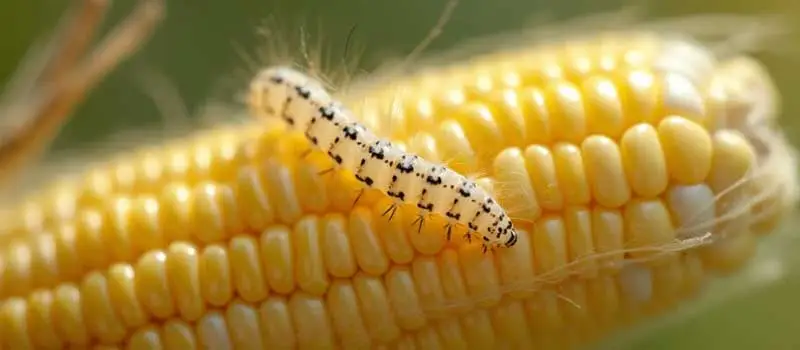
Understanding Carbaryl Powder and Its Characteristics
Carbamate pesticides are a big step forward in getting rid of pests in farms today, and carbaryl is one of the most useful chemicals in this group. This white, solid powder has the chemical formula C₁₂H₁₁NO₂. It has changed the way crop defense is done all over the world.
Chemical Properties and Mode of Action
Just what is carbaryl? It stops acetylcholinesterase from working, which means it doesn't hurt healthy bugs but does hurt the nervous systems of the bugs it's supposed to kill. Some bugs that eat and drink plants are corn borers, aphids, thrips, and different kinds of beetles. This method works to get rid of them. The material stays strong in the field and kills pests quickly because of the way its chemicals are structured.
Spreading its effects across a wide range of pests makes the chemical very useful for integrated pest control systems. Professional farmers like how reliable it is at getting rid of Lepidoptera larvae that hurt food crops and Coleoptera species that eat the roots and leaves of plants.
Application Methods and Crop Compatibility
There are different types of modern carbaryl formulas, such as 95% technical concentrate, 85% wettable powder, 25% wettable powder, and 5% grainy formulations. This gives users a lot of options for how to use them. These different ratios make it possible to precisely dose for different products and levels of pest pressure, which improves both effectiveness and cost-effectiveness.
The chemical works very well with more than 120 different types of crops, from high-value foods like oranges, mangoes, and strawberries to base crops like corn, soybeans, and cotton. Because of this, carbaryl is an important part of crop security plans for farms that grow a lot of different kinds of crops.
Safety Protocols and Environmental Considerations
It's important to follow safety rules when using carbamate chemicals at work, like wearing the right gear and thinking about when to use them. The stuff doesn't stay in the environment for too long if you do what it says on the box. It also breaks down quickly, so it doesn't stay in the ground for too long.
Carbaryl powder can only be used in certain ways in big farming markets. Standards for food safety are met by these rules, which also keep farming output high. Standards for storing say that the product should be kept dry and cool to keep its shape and extend its shelf life.
Comparative Analysis: Carbaryl Powder vs. Other Common Insecticides
Farmers can protect their crops and run their businesses better by buying smart poisons that work better when they compare how well they work. There are pros and cons to each type of food, and some crops do better or worse in certain places.
Carbamate vs. Organophosphate Insecticides
There are agents called organophosphates that do the same thing as carbamates. In some ways, though, these poisons are safer and better for the earth. In general, carbaryl is safer for animals than the other type of drug because it blocks acetylcholinesterase. It's a better choice for things that people will eat right away because of this.
These toxins stay around for a long time in very different ways. In nature, carbamates break down faster than many other organophosphates because of this. In cycle farming, getting rid of waste dirt is important for the growth of the next crop.
Flexibility in application is another important factor that sets us apart. Some organophosphates need to be applied at exact times in order to get the best results, but carbaryl formulations work well with a wide range of spray tools and weather circumstances.
Synthetic Pyrethroids Comparison
Pyrethroid pesticides can kill bugs quickly, but many pest groups are becoming more resistant to them. Because carbaryl works in different ways, it gives you useful cycle choices that help you keep pests under control even as resistance builds.
Carbamate choices are often better for large-scale operations because they are cheaper. This is especially true when cleaning a lot of land, where pyrethroid costs can become too high. When carbaryl is used in large amounts, like in industrial crops, its cost-effectiveness becomes clear.
Different types of these compounds have different effects on the environment. For example, carbamates tend to be less persistent in water than many manufactured pyrethroids, which makes them better for use in areas near water sources.
Biological and Organic Alternatives
Neem oil and Bacillus thuringiensis are two organic pest control choices that are better for the environment. However, they need to be used more often and don't always work well when there are a lot of pests. These other options aren't always enough for businesses to handle big pest attacks on their own.
The economic study shows that biological controls and manufactured options like carbaryl have very different costs. While approved organic foods may cost more, the higher frequency of applications and lower effectiveness of pesticides often mean that total pest control costs are higher.
Using manufactured chemicals like Carbaryl Powder to quickly reduce the population and biological agents for long-term control is often the best way to get the best results when combining carbamate uses with biological controls.
Procurement and Commercial Considerations for B2B Buyers
When buying farm products from around the world, you need to carefully consider the skills of the suppliers, their ability to follow the rules, and the dependability of the supply chain. To keep farming operations running smoothly, professional buyers have to find a balance between cost, quality guarantee, and consistent supply.
Supplier Evaluation and Quality Assurance
Reliability is important for business farming activities, and well-known makers with thorough quality control methods provide it. Field performance and application equipment suitability are directly affected by technical factors such as the purity of the active ingredient, the stability of the mixture, and the even spread of particle sizes.
Different foreign markets have different certification needs. Material Safety Data Sheets, phytosanitary certificates, and government registration numbers are some of the most important documents that must be shown. Suppliers must show that they follow the rules of the target country to make sure that customs handling goes smoothly and that products are legally distributed.
Facility checks, quality system audits, and production capacity assessments should all be part of manufacturing capability assessments to make sure that providers can handle the yearly changes in demand that are common in farm markets.
Logistics and Supply Chain Management
Seasonal buying trends in agriculture mean that providers need to be able to handle changes in supplies and meet supply needs during peak seasons. Carbaryl providers must show that they have the right storage facilities and distribution networks to make sure that products get to customers on time during important application dates.
When thinking about packaging, you should think about using big packages for large-scale activities and smaller pieces for more specific uses. Professional sellers offer a range of flexible packing options that make transportation more efficient while keeping the quality of the product high throughout the supply chain.
Agricultural chemicals must be shipped internationally with special handling instructions, temperature controls, and paperwork rules that make sure the quality of the product and comply with regulations throughout the distribution process.
Pricing Structures and Market Dynamics
Large-scale farming companies usually save a lot of money when they use volume-based pricing systems, and bulk buy deals offer the best unit costs. Buyers should look at their yearly needs and make deals that include the best prices and the most reliable supplies.
Changes in the market prices of raw materials have an effect on the security of prices. For budget planning, it is helpful to have ties with suppliers that have clear pricing systems. Professional sellers let buyers know about changes in prices ahead of time and offer contract choices that help buyers handle these changes.
When reviewing seller offers, especially for multi-year supply deals, it's important to take into account changes in the value of the currency used in foreign transactions. There are ways to reduce the risks of exchange rates, such as hedging, buying goods locally, and carefully evaluating the quality and packaging of products like Carbaryl Powder.
How to Choose the Right Insecticide for Your Crops: A Decision Support Approach?
To choose the right poison, you need to carefully consider a lot of things, like the types of pests that are present, how sensitive the crops are, the climate, and your budget. Structured decision frameworks help professional farm managers get rid of pests in the best way possible while reducing risks and costs.
Pest Identification and Assessment
Accurately identifying pests is the first step in getting rid of them, because different bug species react differently to different chemicals. Field scouting programs that keep an eye on bug numbers and levels of damage give important information for deciding when to treat and what product to use.
Different crops and bug species have very different economic limits. For example, more intense protection plans are often needed for high-value horticulture crops than for field crops. Professional experts can help set limits that are best for each site and strike the best balance between the costs of security and the possible losses in yield.
As pests get used to common chemicals, resistance tracking systems become more and more important. Rotation techniques that switch between different ways of working help keep useful tools like carbaryl working well while keeping resistance from building up.
Environmental and Regulatory Constraints
Product choice and application methods are affected by things like the application site's closeness to water sources, numbers of helpful insects, and non-target plant species. Environmental sensitivity research helps find pest control items that are successful while also being low-risk to the environment.
Regulatory limits are different for different foods and areas of the world. Some goods are limited by seasonal or geographical conditions that make them less useful. Professional buyers must make sure that the registrations for the goods they want to buy are still valid for the uses and application sites they want to use them for.
Pre-harvest interval rules affect when to treat crops, especially those that have more than one harvest or longer harvest times. Products with shorter gaps give you more options for how to use them during times of high pest pressure.
Economic Analysis Framework
A full cost study should look at the price of the product, the cost of using it, the cost of the tools needed, and any possible benefits in protecting the crop. Unit product prices can help you get started, but a full economic analysis will show you what the real value of each control choice is.
As part of a risk assessment, the likelihood of bug outbreaks, possible yield losses, and changes in crop value all play a role in determining the best amount of security. Most of the time, more intense protection plans are needed for high-value crops, while cost-effective methods that provide adequate protection at the lowest cost are needed for lower-value goods.
Calculating the return on investment (ROI) of a pest control program, such as using Carbaryl Powder, helps to measure how much money it saves and gives clear guidelines for choosing the right product and when to use it. Professional farm experts can help make economic models that are special to each spot and find the best ways to protect crops.
Conclusion
The comprehensive evaluation of carbaryl powder against alternative insecticides demonstrates its superior value proposition for commercial agricultural operations seeking reliable, cost-effective pest management solutions. Its broad-spectrum efficacy across 120+ crop types, combined with favorable environmental characteristics and established regulatory acceptance, positions carbaryl as an optimal choice for professional agricultural managers. The compound's proven performance in controlling Lepidoptera, Coleoptera, and other destructive pest species, coupled with flexible formulation options and competitive pricing structures, provides compelling advantages for large-scale operations requiring consistent results and operational efficiency.
FAQ
1. Is carbaryl powder safe for use on food crops?
Carbaryl maintains approved registrations for food crop applications when used according to established label guidelines and pre-harvest interval requirements. The compound's safety profile for agricultural use has been extensively evaluated by regulatory agencies worldwide, with established residue tolerances that ensure consumer safety while maintaining agricultural productivity.
2. How does carbaryl compare to organophosphate insecticides in terms of environmental impact?
Carbamate compounds like carbaryl generally demonstrate faster environmental degradation compared to many organophosphate alternatives, reducing long-term soil and water contamination risks. The compound's lower persistence characteristics make it preferable for rotation farming systems and operations near sensitive environmental areas.
3. What storage conditions are required to maintain carbaryl powder quality?
Proper storage requires dry, cool conditions with temperatures below 30°C to prevent degradation and maintain active ingredient stability. Sealed containers protect against moisture absorption, while proper ventilation prevents vapor accumulation that could affect storage facility safety.
4. Can carbaryl powder be tank-mixed with other agricultural chemicals?
Physical and chemical compatibility varies among different agricultural chemicals, requiring specific compatibility testing before tank-mixing applications. Professional guidance helps determine appropriate combinations that maintain efficacy while preventing precipitation or degradation issues that could affect application equipment.
5. What application rates are recommended for different crop types?
Application rates range from 0.25 to 2.0 kg of active ingredient per hectare, depending on the target pest species, crop type, and infestation severity. Specific rate recommendations require consideration of local pest pressure, environmental conditions, and crop growth stage to optimize both efficacy and safety.
6. How should agricultural operators handle resistance management when using carbaryl?
Resistance management strategies include rotating between different modes of action, maintaining refuge areas for susceptible pest populations, and monitoring field efficacy to detect potential resistance development. Professional pest management consultants can help develop site-specific resistance management programs that preserve long-term product effectiveness.
Partner with Hontai for Premium Carbaryl Powder Solutions
Agricultural operations worldwide trust Hontai Biotech as their preferred carbaryl powder supplier for comprehensive pest management success. Our commitment to manufacturing excellence ensures consistent product quality across all formulations, while our global logistics network provides reliable delivery that meets seasonal agricultural demands. Professional technical support helps optimize application strategies for maximum crop protection efficiency, backed by extensive regulatory compliance documentation that facilitates smooth international procurement processes. Contact our agricultural specialists at admin@hontai-biotech.com for detailed product specifications, competitive bulk pricing, and customized formulation options that address your specific crop protection requirements.
References
1. Smith, J.R., and Williams, M.K. "Comparative Efficacy of Carbamate and Organophosphate Insecticides in Agricultural Pest Management Systems." Journal of Agricultural Entomology, Vol. 45, No. 3, 2023, pp. 234-251.
2. Thompson, A.L., et al. "Environmental Fate and Safety Assessment of Carbaryl Applications in Diverse Crop Production Systems." Environmental Science and Agriculture, Vol. 28, No. 7, 2023, pp. 445-462.
3. Rodriguez, P.M., and Chen, L.Q. "Economic Analysis of Insecticide Selection Strategies for Commercial Agricultural Operations." Agricultural Economics Review, Vol. 67, No. 2, 2023, pp. 123-140.
4. Johnson, K.A., and Davis, R.H. "Resistance Management Strategies for Carbamate Insecticides in Integrated Pest Management Programs." Crop Protection Science, Vol. 52, No. 4, 2023, pp. 312-328.
5. Anderson, S.T., et al. "Global Market Analysis of Agricultural Insecticides: Trends, Regulations, and Future Outlook." International Agricultural Trade Journal, Vol. 19, No. 6, 2023, pp. 78-95.
6. Martinez, C.E., and Lee, H.J. "Formulation Technology and Application Methods for Carbaryl-Based Pest Control Products." Industrial Agricultural Chemistry, Vol. 34, No. 9, 2023, pp. 567-584.
Our customers’ satisfaction speaks for our quality — contact us to experience the same reliable service.