- English
- French
- German
- Portuguese
- Spanish
- Russian
- Japanese
- Korean
- Arabic
- Greek
- German
- Turkish
- Italian
- Danish
- Romanian
- Indonesian
- Czech
- Afrikaans
- Swedish
- Polish
- Basque
- Catalan
- Esperanto
- Hindi
- Lao
- Albanian
- Amharic
- Armenian
- Azerbaijani
- Belarusian
- Bengali
- Bosnian
- Bulgarian
- Cebuano
- Chichewa
- Corsican
- Croatian
- Dutch
- Estonian
- Filipino
- Finnish
- Frisian
- Galician
- Georgian
- Gujarati
- Haitian
- Hausa
- Hawaiian
- Hebrew
- Hmong
- Hungarian
- Icelandic
- Igbo
- Javanese
- Kannada
- Kazakh
- Khmer
- Kurdish
- Kyrgyz
- Latin
- Latvian
- Lithuanian
- Luxembou..
- Macedonian
- Malagasy
- Malay
- Malayalam
- Maltese
- Maori
- Marathi
- Mongolian
- Burmese
- Nepali
- Norwegian
- Pashto
- Persian
- Punjabi
- Serbian
- Sesotho
- Sinhala
- Slovak
- Slovenian
- Somali
- Samoan
- Scots Gaelic
- Shona
- Sindhi
- Sundanese
- Swahili
- Tajik
- Tamil
- Telugu
- Thai
- Ukrainian
- Urdu
- Uzbek
- Vietnamese
- Welsh
- Xhosa
- Yiddish
- Yoruba
- Zulu
Azamethiphos 1% Insecticide Guide
share:
Azamethiphos 1% is the key answer in current pest control, particularly designed to combat fly infestations in areas where conventional pyrethroid-based solutions have become ineffective due to resistance. The organophosphate-based bait pesticide contains azamethiphos as the active ingredient and uses potent attractants like Z-9-Tricosene and sugar matrices to provide quick knockdown and long-lasting residual control. We know that populations of flies resistant to insecticides are creating increasing problems for government vector control programs, professional pest control operators, and municipal hygiene agencies. This handbook addresses technical specifications, application procedures and procurement issues for B2B customers seeking dependable, WHO-compliant fly control solutions that meet efficacy and safety criteria.

Understanding Azamethiphos 1% – Composition, Mode of Action, and Application
Chemical Composition and Formulation Design
Azamethiphos 1% fly bait is available as 10 grams of active ingredient per kilogram of formulation. The formulation is usually a granular bait or water-dispersible granules. The product design has three attraction mechanisms: olfactory stimulation using the sex pheromone Z-9-Tricosene at quantities of 0.05-0.2%, gustatory appeal using sugar-based matrices, and visual attraction using bright yellow or orange granule colouring. Multiple senses are used to maximise contact rates with target dipteran species, especially Musca domestica (house fly) and Stomoxys calcitrans (stable fly). The formulation contains the bittering chemical denatonium benzoate to reduce the danger of inadvertent ingestion by non-target organisms and children.
Mode of Action Against Target Pests
It is an organophosphate that inhibits acetylcholinesterase. This means it interferes with the normal transmission of nerve signals in insects. When flies take in or come into contact with the treated bait, azamethiphos binds permanently to the enzyme that degrades acetylcholine at nerve synapses. The acetylcholine builds up, and the nerves are constantly stimulated. This leads to paralysis within minutes and death soon afterward. This action is different from that of pyrethroid insecticides that target sodium channels, and so azamethiphos is useful in rotation tactics for resistance control programs. The swift "shock effect" is especially effective in high-pressure situations, such as cattle facilities, where fly populations breed fast.
Application Methods Across Industrial Settings
In intensive livestock operations, the solution is sprayed as a paint-on paste or spray to vertical resting surfaces where flies cluster – walls, posts, and window frames. With the water-dispersible granular format, operators may make slurries with exact concentrations of active ingredient for the level of infestation. Typical application rates are 50-100 grams of product per square metre, and applications are targeted to shaded areas over animal interaction zones. Under typical circumstances, the residual activity lasts for 6-8 weeks, which decreases the labour expenses as compared to daily fogging operations.
Azamethiphos 1% bait stations are used by municipal hygiene agencies at waste management facilities and public marketplaces. Professional pest control operators servicing food processing facilities use the bait at discrete stations away from production lines, observing hygiene requirements and controlling disease vectors. The bait matrix composition reduces the drift and surface stains associated with liquid sprays, which is important for aesthetic reasons in customer-facing areas.
Safety Profile and Handling Requirements
Mammalian Toxicity Data: The LD50 of the product is used to determine the optimal management procedures. Operators must use personal protective equipment, such as chemical-resistant gloves, a respirator, and a boiler suit, while mixing and applying the product. If workers are often exposed to intense formulations within the organophosphate class, blood cholinesterase monitoring is required. Storage Conditions: Cool, dry areas, away from food items and animal feed. The solutions may be diluted for application; however, they will hydrolyse and should be used within 24 hours to retain efficacy. These safety measures respect worldwide requirements in occupational health and also keep the environment in good shape.
Comparing Azamethiphos 1% with Other Insecticides – Making Informed Choices
Performance Against Pyrethroid-Resistant Populations
Azamethiphos has been shown in field testing to be effective against fly populations with kdr (knockdown resistance) mutations, which are frequent in pyrethroid-resistant strains. Where permethrin and deltamethrin control is limited, the cholinesterase inhibition mechanism gives a consistent death rate of more than 90% within 48 hours. This performance advantage is critical for businesses that have had control failures with Group 3A pesticides. The bait formulation overcomes the problem of behavioural resistance when insects avoid treated surfaces; flies actually seek out the attractant-laden product rather than avoid it.
Economic Considerations in Bulk Procurement
Azamethiphos provides comparable value in terms of cost per fly controlled throughout treatment cycles, despite the greater unit price compared to certain alternatives. Longer residual action decreases the frequency of application from weekly to monthly, which greatly saves labour expenses. Formulated items are bought in quantities of 2-10 tonnes, which gives you 15-25% pricing benefits over small purchases. In competitive bid situations where the overall cost of a program is valued above the initial purchase price, azamethiphos has an advantage since it is a medicine recommended by the WHO and has demonstrated resistance-breaking ability, which is often favoured in government contract criteria.
Safety and Regulatory Positioning
Unlike carbamate insecticides, azamethiphos has mild toxicity and has specified maximum residue limits for agricultural use. The product has been WHO-approved for public health use, with prequalification requirements that open the door for purchase by international health organisations. This accreditation reduces the time for customs clearance and fulfils the due diligence requirements for USAID- and UNICEF-supported initiatives. Environmental fate data indicate modest persistence
With degradation half-lives of 2-4 weeks in soil, positioning it between highly persistent organochlorines and rapidly degrading biopesticides.
Procurement Guide for Azamethiphos 1% – Sourcing, Pricing, and Supplier Insights
Supplier Qualification and Quality Verification
Authorised producers will provide full documentation packages comprising Good Manufacturing Practice certifications, analytical reports for each batch produced, and Material Safety Data Sheets meeting GHS criteria. To avoid the acquisition of poor formulations that jeopardise program objectives, one must check the WHO prequalification status using official databases. Third-party laboratory testing of samples for active ingredient content and impurity profiles gives another layer of quality assurance before committing to big orders. Suppliers should have the ability to establish supply continuity across multi-year operating history to avoid mid-program shortages that might affect vector control schedules.
Pricing Structures and Payment Terms
Wholesale Azamethiphos 1% granular bait is available for $8 to $15 per kilogram. The final price will depend on the size of the order, the delivery area, and the packaging. Competitive bidding in government procurement settings forces prices down to the low end, while professional-grade formulas improved for palatability support premium placement. T/T arrangements are generally used for business customers, with a 30% deposit and 70% balance before shipping. NGO procurement works on purchase order systems with 30- 60-day payment cycles after delivery. Letter of credit agreements are appropriate for first transactions, when the buyer-supplier relationship has not yet gained confidence.
Logistics and Shelf Life Management
The product in its formulated form is stable for 24 months if kept below 30°C in the original sealed package. Shipping operations should make efforts to avoid temperature extremes in transportation, especially for maritime freight crossing the equator. Wholesale and end-user handling available in 5kg, 10kg and 25kg moisture proof bags. International shipments need phytosanitary certifications and hazardous products declarations according to the IMDG Code classification. Suppliers who provide warehousing services in regional hubs will cut emergency replenishment lead time during the height of fly seasons.
Best Practices and Safety Compliance for Using Azamethiphos 1%
Resistance Management Integration
Azamethiphos belongs to IRAC Group 1B, requiring rotation with insecticides from different mode-of-action classes to prevent resistance development. Recommended rotation intervals of 4-8 weeks alternate between organophosphates and neonicotinoids (Group 4A) or spinosyns (Group 5). Monitoring programs that track fly susceptibility through bioassays inform rotation timing adjustments. When field efficacy drops below 80% mortality within standard exposure periods, immediate rotation to an alternative chemistry preserves the useful life of multiple products within the pest management program.
Regulatory Compliance Frameworks
Applications in food production environments must comply with national pesticide residue regulations and workplace safety standards. Maximum residue limits for azamethiphos in meat and dairy products vary by jurisdiction, with typical values of 0.05-0.1 mg/kg. Operator certification requirements in many regions mandate training in organophosphate handling and emergency response protocols. Environmental impact assessments may be required for large-scale municipal applications near water bodies, given the compound's toxicity to aquatic organisms. Documentation of application dates, quantities, and target areas satisfies audit requirements for food safety certifications like HACCP and BRC.
Emergency Response and First Aid
In cases of accidental exposure, immediate removal from the contaminated environment takes priority. Skin contact requires thorough washing with soap and water for 15 minutes, removing contaminated clothing. Eye exposure necessitates continuous irrigation with clean water while seeking medical attention. Ingestion cases require medical intervention without inducing vomiting, as aspiration risks exist. Atropine sulfate serves as the specific antidote for cholinesterase inhibitor poisoning, though administration must occur under medical supervision. Facilities using azamethiphos should maintain atropine stocks and train response personnel in recognition of organophosphate poisoning symptoms, including excessive salivation, muscle twitching, and respiratory distress.
Conclusion
Azamethiphos 1% solves important gaps in today’s fly control programs when resistance has reduced pyrethroid efficacy. The product’s multi-attraction formulation, together with its cholinesterase inhibition mechanism, enables dependable knockdown in a range of operating situations, from livestock facilities to municipal sanitation sites. Successful deployment hinges on adequate application methods, incorporation into resistance management cycles, and adherence to safety procedures suited for organophosphate chemicals. Procurement strategies that balance initial cost with long-term program success will favour suppliers that deliver compliant formulations with full documentation support. The technical benefits of azamethiphos, along with its acceptability by regulators, mean that it is strategically used in integrated pest management programs for both short-term control and sustainability goals.
FAQ
1. How Does Azamethiphos Fit Into Resistance Management Programs?
Azamethiphos should never serve as the sole control method. Effective resistance management requires rotating it with insecticides from different chemical groups every 4-8 weeks. Pairing Group 1B organophosphates with Group 4A neonicotinoids or Group 3A pyrethroids (when local populations remain susceptible) preserves the efficacy of multiple tools. Monitoring fly mortality rates through standardized bioassays signals when rotation timing needs adjustment.
2. What Stability Considerations Apply to Mixed Solutions?
Once diluted with water for spray applications, azamethiphos solutions undergo hydrolysis that reduces potency. Mixed batches should be applied within 24 hours of preparation and never stored for later use. This chemical instability necessitates batch size calculations matching daily application requirements, preventing waste of both product and labor.
3. Can Azamethiphos Be Used in Occupied Animal Facilities?
Purpose-designed formulations allow application in livestock barns while animals are present, provided the bait is placed on surfaces beyond their reach. The bittering agent inclusion reduces accidental ingestion risks. Applications should focus on overhead structures and vertical surfaces above feed and water zones, maintaining separation between treated areas and animal contact points.
4. What Documentation Supports Government Tender Submissions?
Successful tender responses require WHO specification compliance certificates, Good Manufacturing Practice documentation, batch-specific analysis reports confirming active ingredient concentration, safety data sheets meeting local regulatory formats, and supply commitment letters guaranteeing delivery timelines. Complete documentation packages differentiate qualified suppliers from those unable to meet public procurement standards.
Partner with Hontai for Reliable Azamethiphos 1% Supply
Hebei Hontai Biotech Co., Ltd. offers comprehensive Azamethiphos 1% insecticide solutions backed by robust quality assurance systems and flexible customization capabilities. Our manufacturing operations meet GMP standards, producing formulations that align with WHO specifications for public health applications. We understand the procurement challenges facing government vector control programs and professional pest management companies—supply continuity, documentation completeness, and competitive pricing all factor into successful partnerships. Our technical team provides resistance monitoring support and rotation strategy development, extending beyond simple product supply to comprehensive pest management consultation.
Whether you need bulk shipments for municipal tender fulfillment or custom bait formulations for private-label development, our production flexibility accommodates orders from 500g sampling quantities to multi-ton contracts. Fast global logistics ensure timely delivery across international markets, supported by proper dangerous goods documentation and temperature-controlled shipping when required. Contact our procurement specialists at admin@hontai-biotech.com to discuss your azamethiphos requirements and receive detailed quotations with complete technical specifications.
References
1. World Health Organization. (2020). Guidelines for the Procurement of Public Health Pesticides. WHO Technical Report Series on Vector Control.
2. Insecticide Resistance Action Committee. (2021). IRAC Mode of Action Classification Scheme. Version 10.1, IRAC International.
3. Food and Agriculture Organization. (2019). Specifications and Evaluations for Agricultural Pesticides: Azamethiphos. FAO Plant Production and Protection Paper.
4. European Medicines Agency. (2018). Committee for Veterinary Medicinal Products: Azamethiphos Summary Report. EMEA/MRL/878/03-FINAL.
5. Journal of Economic Entomology. (2022). "Efficacy of Organophosphate Rotation Strategies Against Pyrethroid-Resistant House Flies in Livestock Facilities." Volume 115, Issue 3.
6. Pest Management Science. (2021). "Bait Matrix Formulation Variables Affecting Azamethiphos Palatability and Residual Activity." Volume 77, Issue 8.
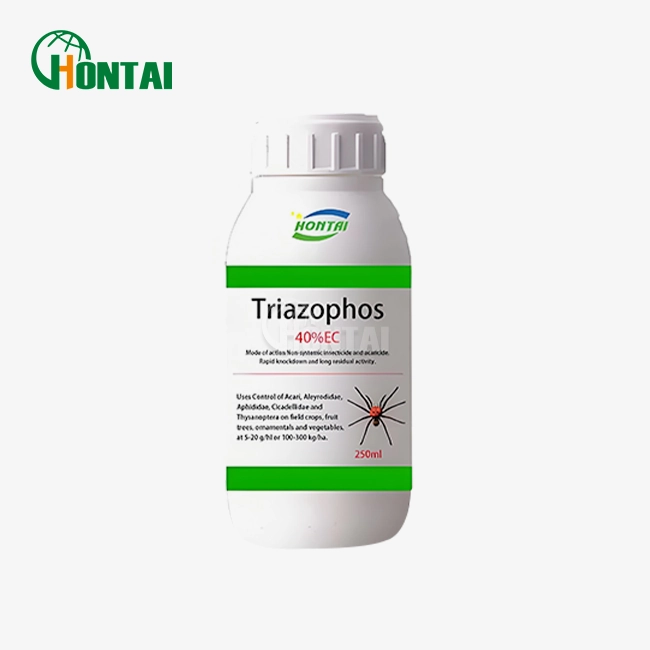
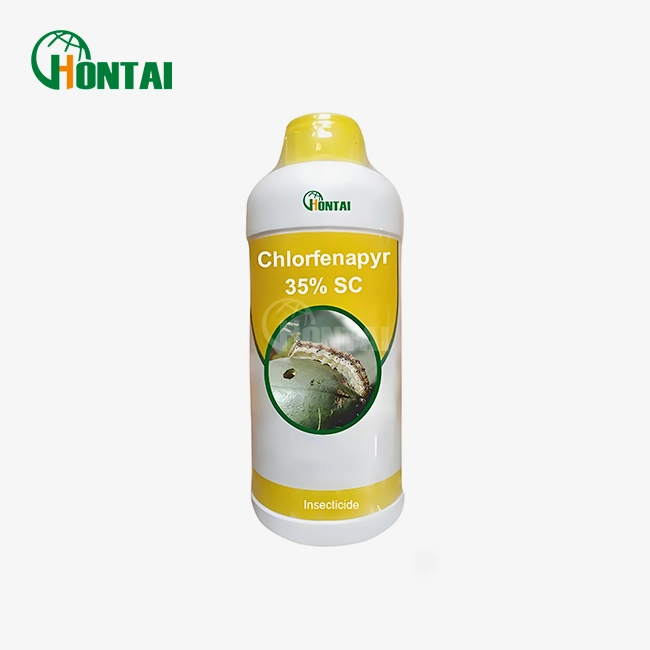
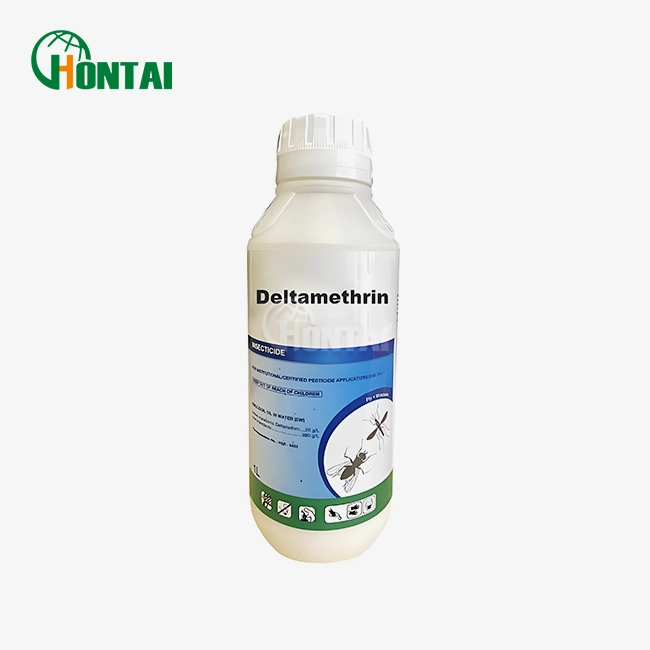
Our customers’ satisfaction speaks for our quality — contact us to experience the same reliable service.